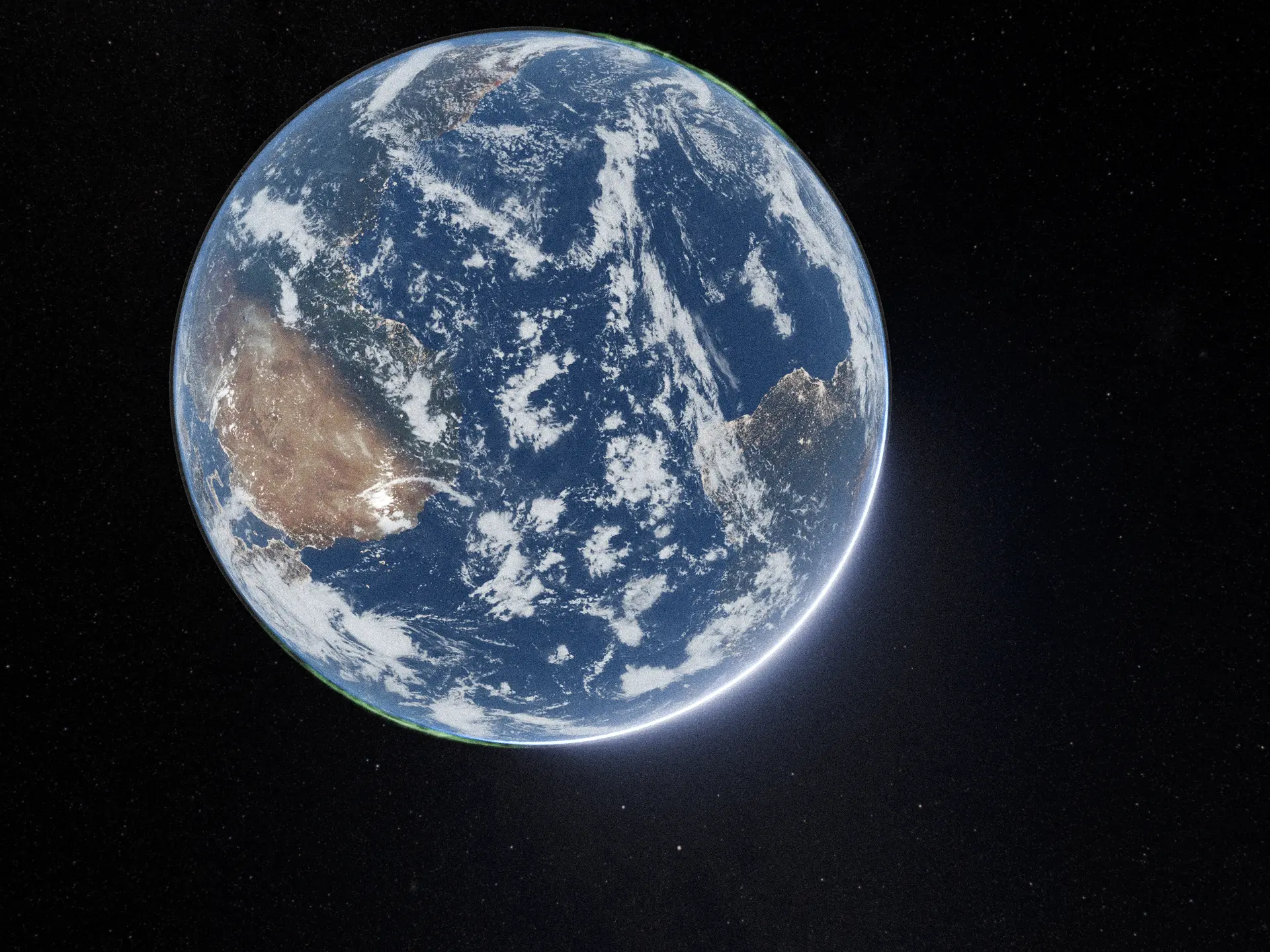
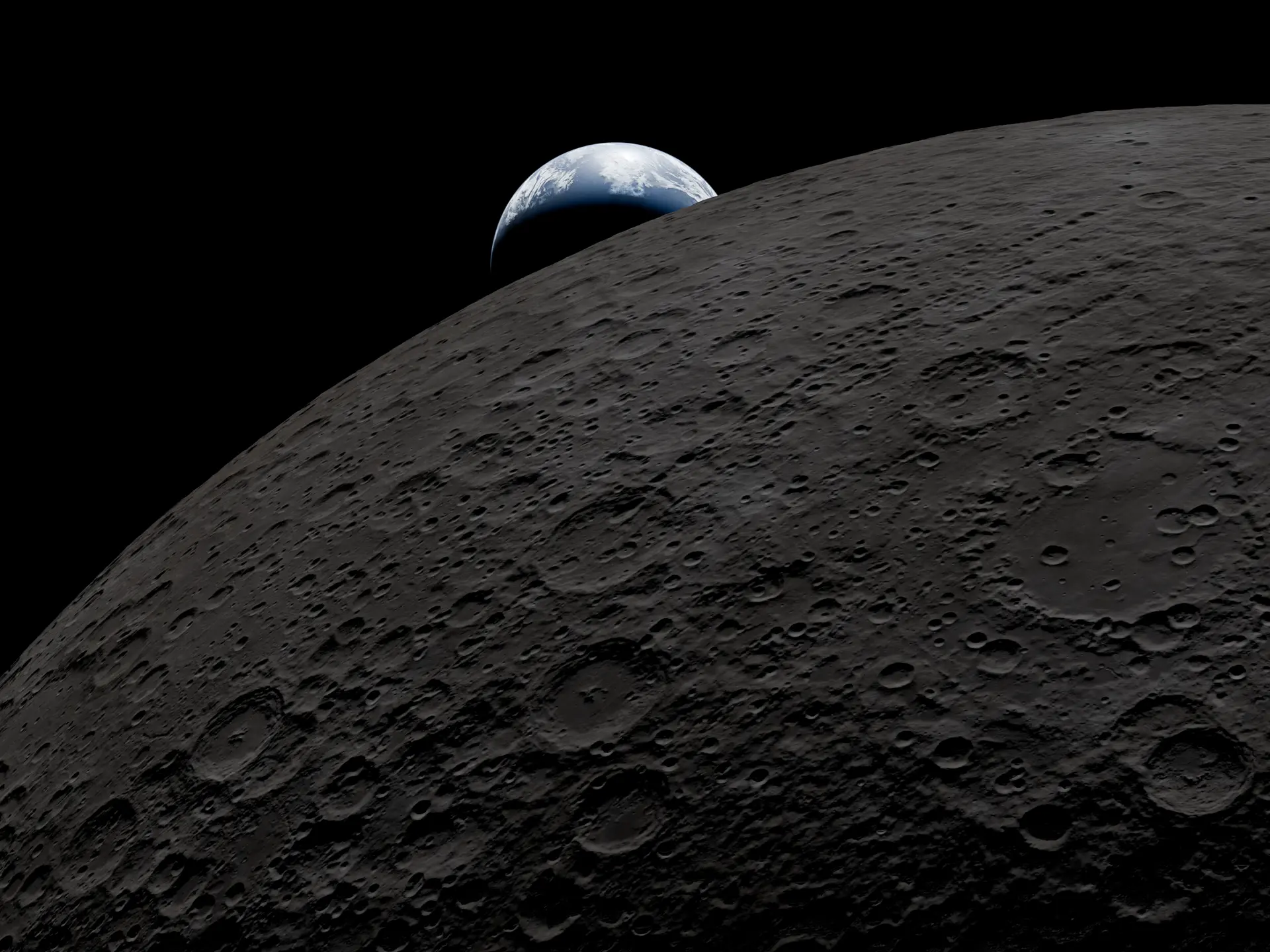
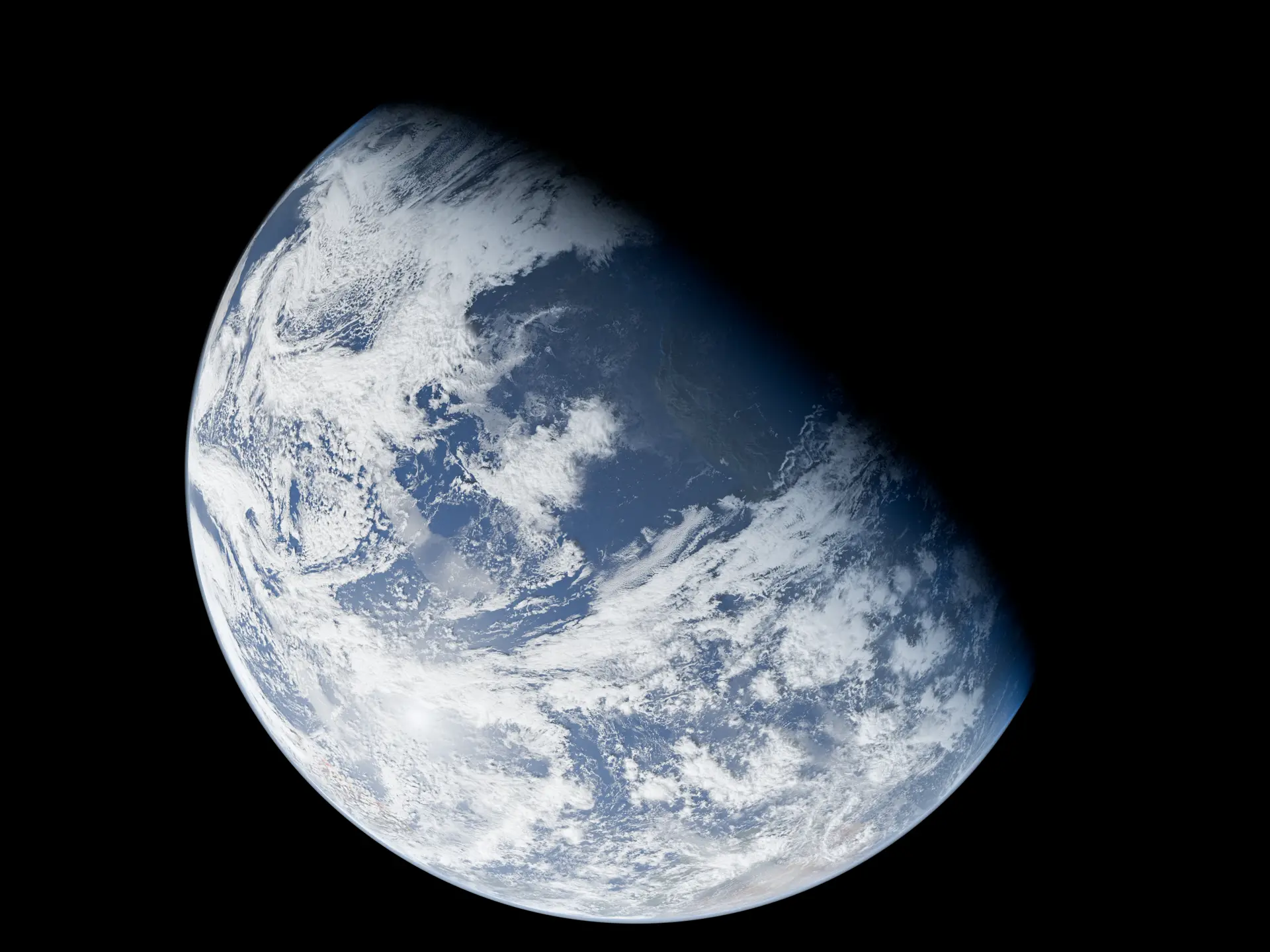
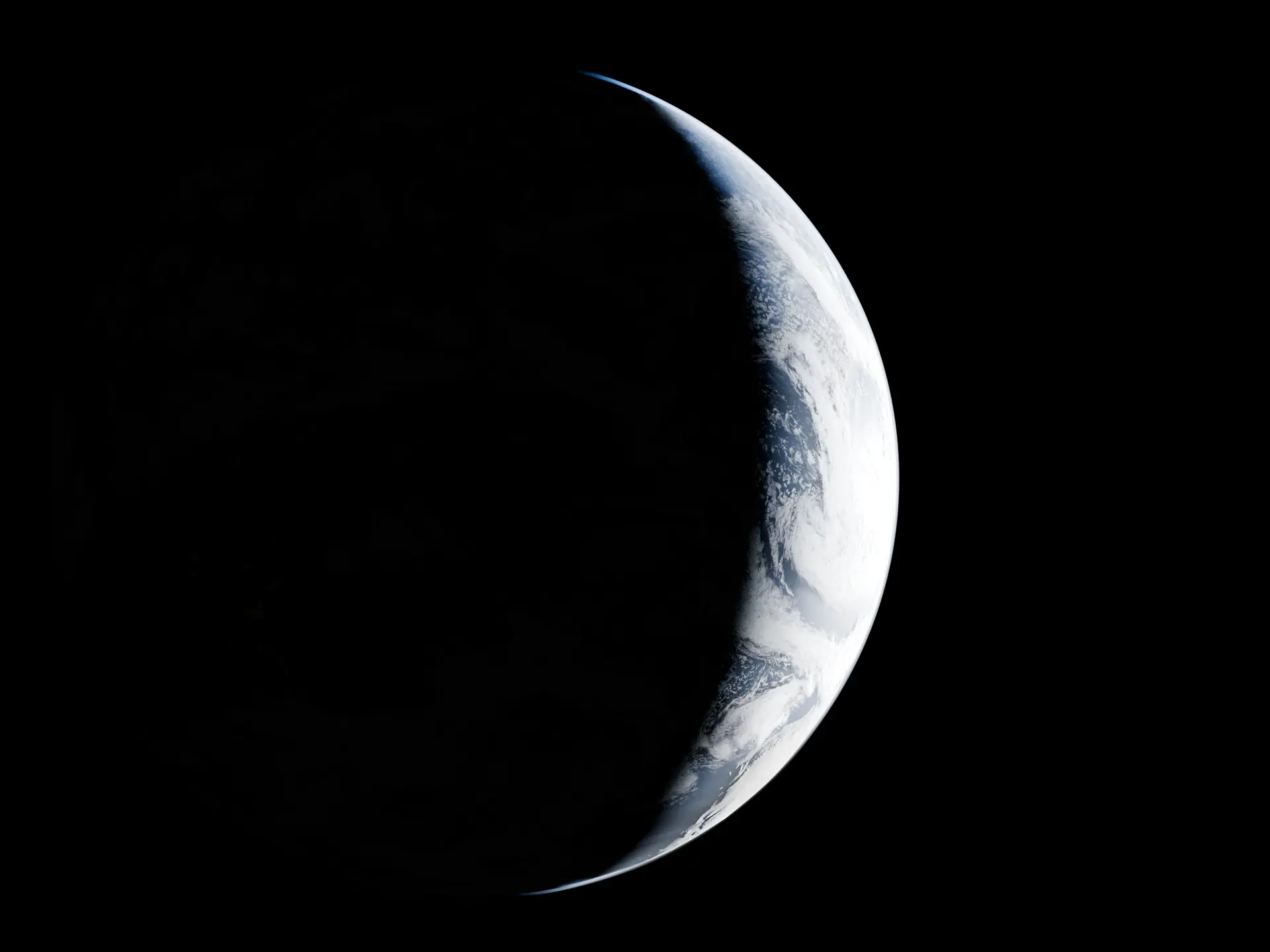
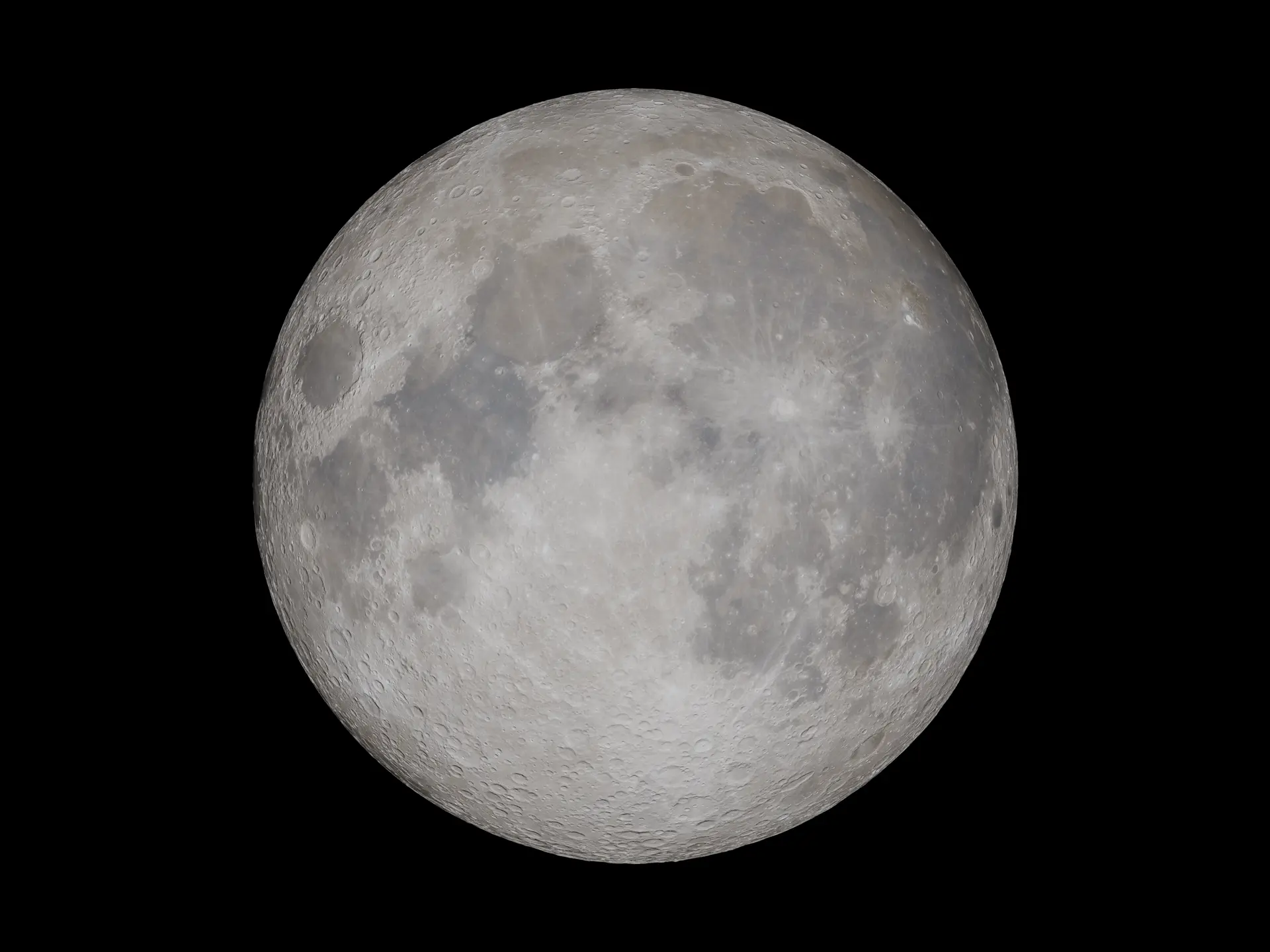
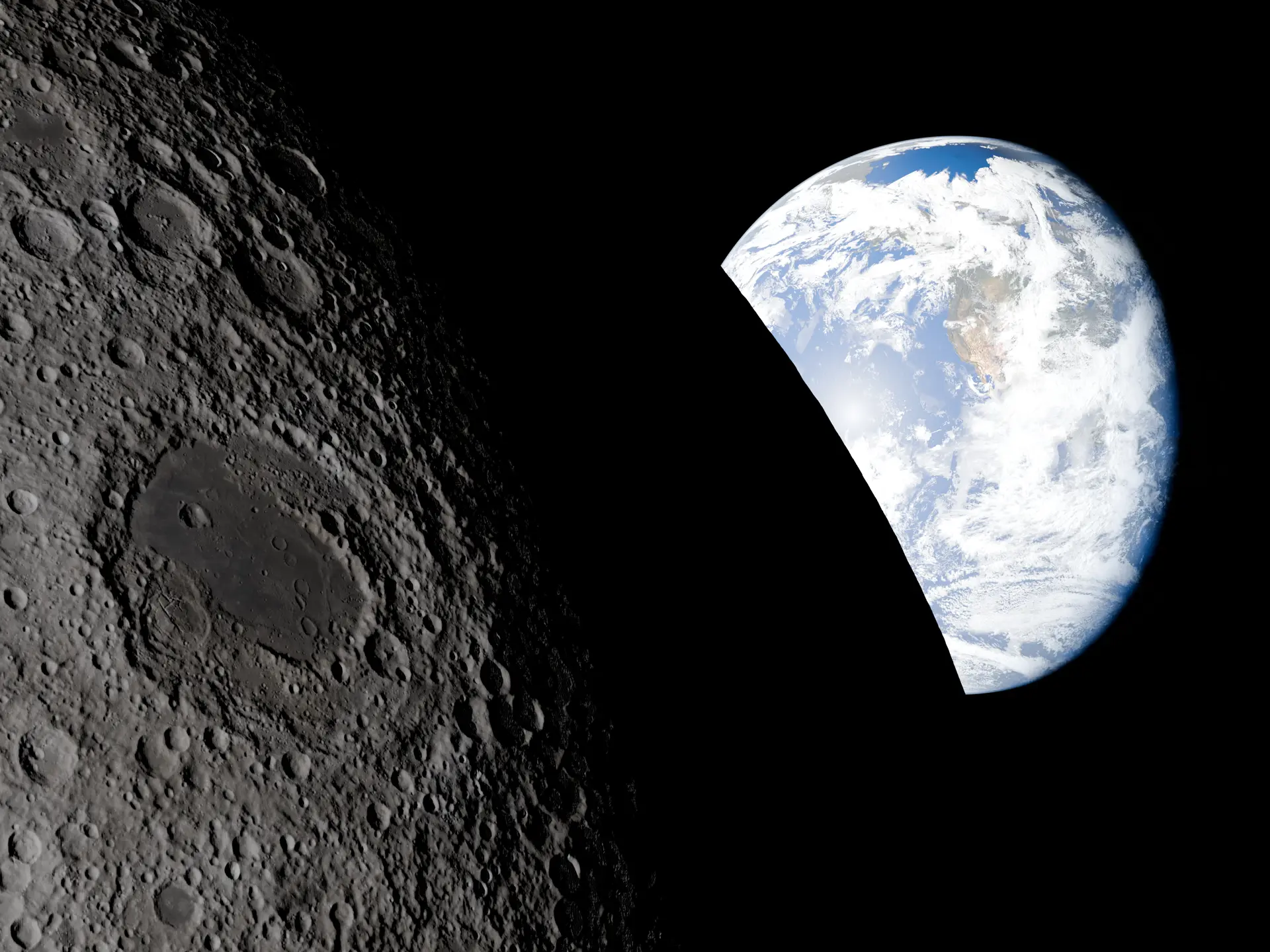
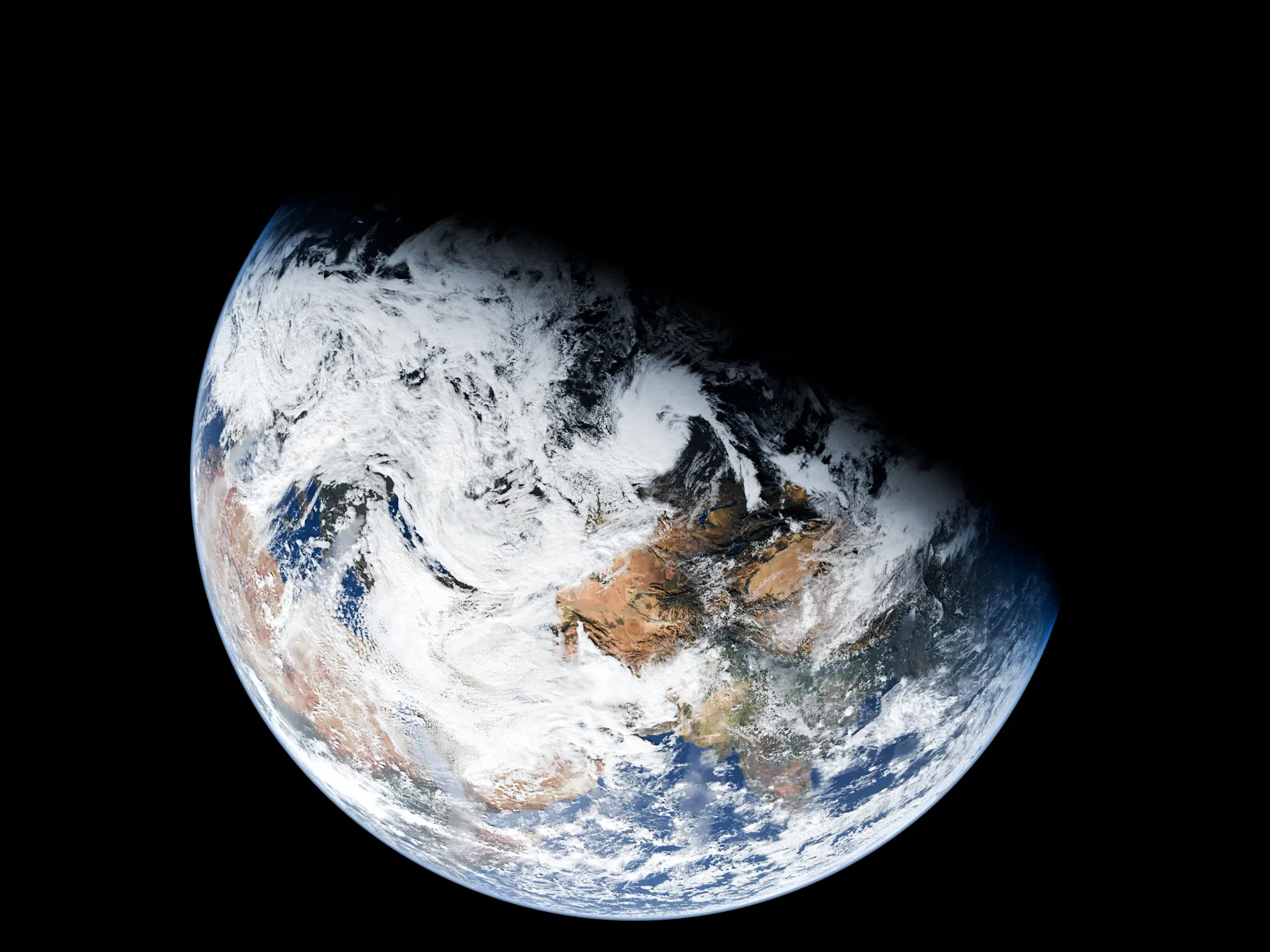
Inspired by those amazing Artemis 2 Photos, I tried recreating the images in Blender.
I used NASA Textures for the creation of Background Stars, Earth Color, Displacement, Clouds, Moon Color and Displacement.
I used procedural Shaders for the atmosphere and the Aurora Borealis.
I also created an animation afterwards with some additional compositing done in After Effects.
Trying to recreate the 80s morning cartoon aesthethics in Blender and After Effects.
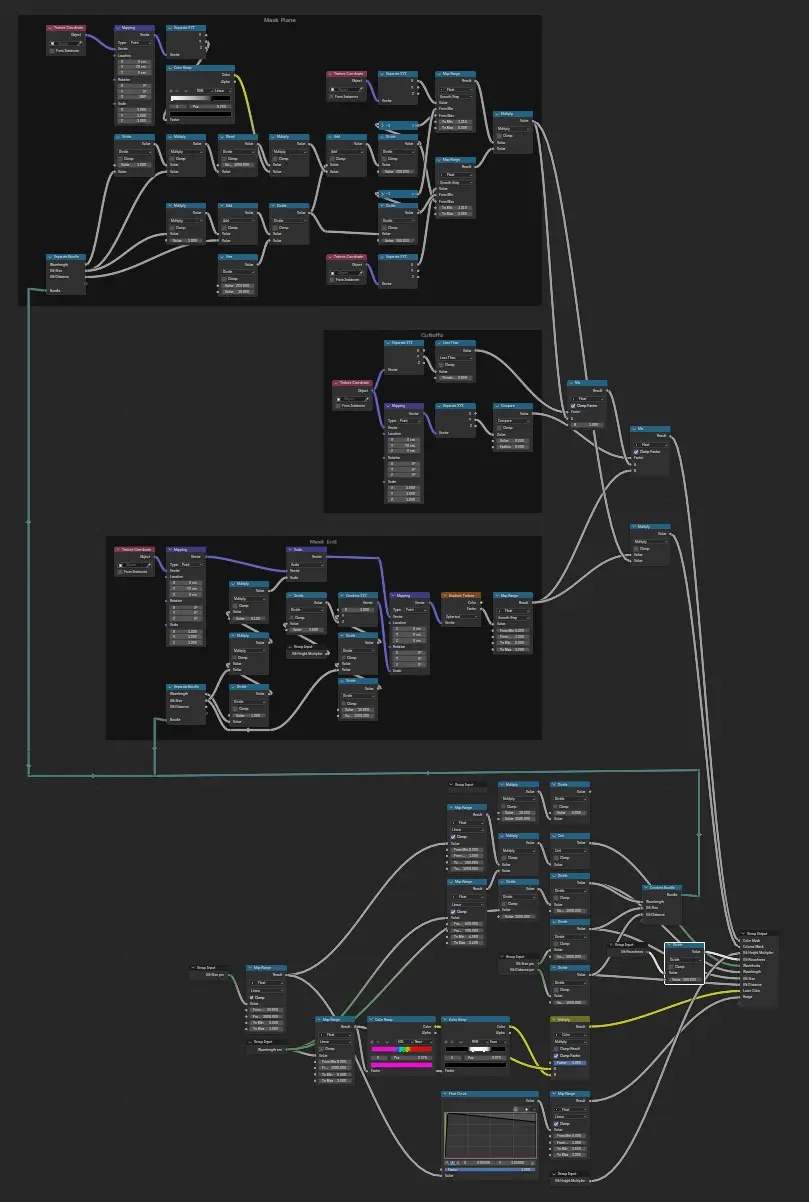
I created this shader in Cycles.
Most of the harsh falloffs are created through a combination of camera vector math, light paths and color ramps.
Although some of the post processing is done in Blenders compositor, most of the effects are achieved in After Effects
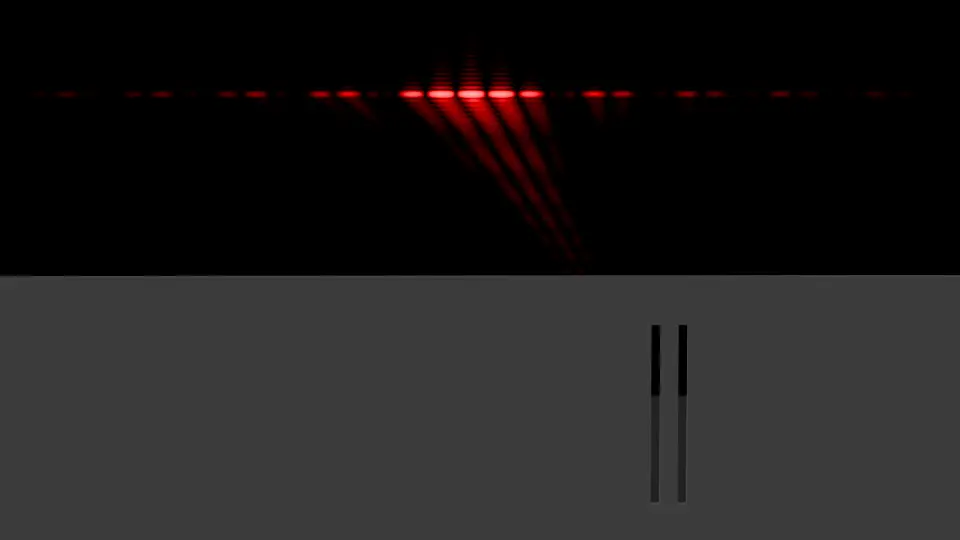
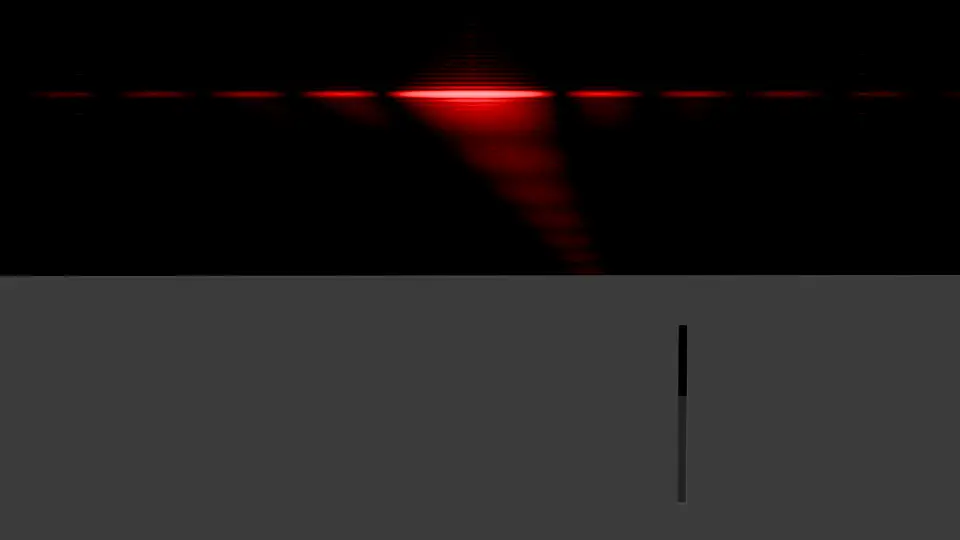
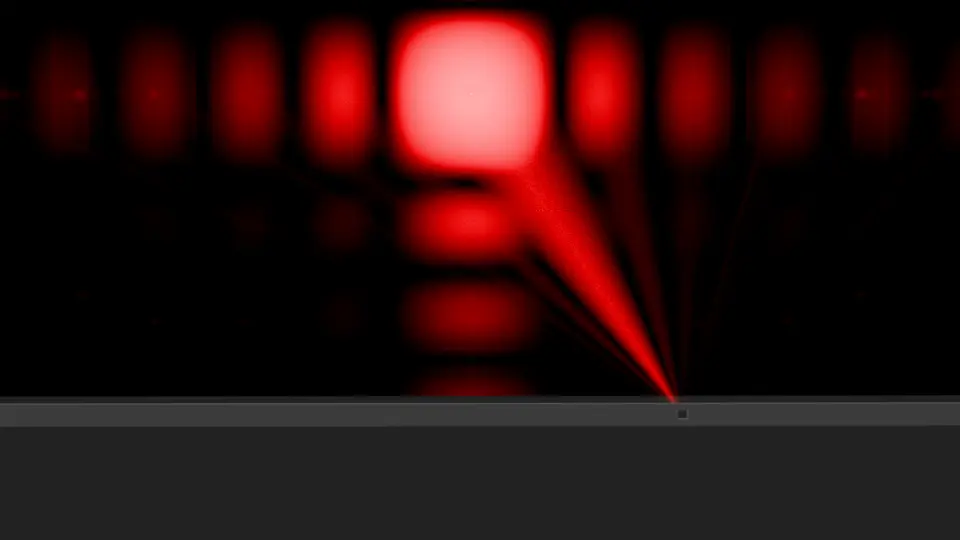
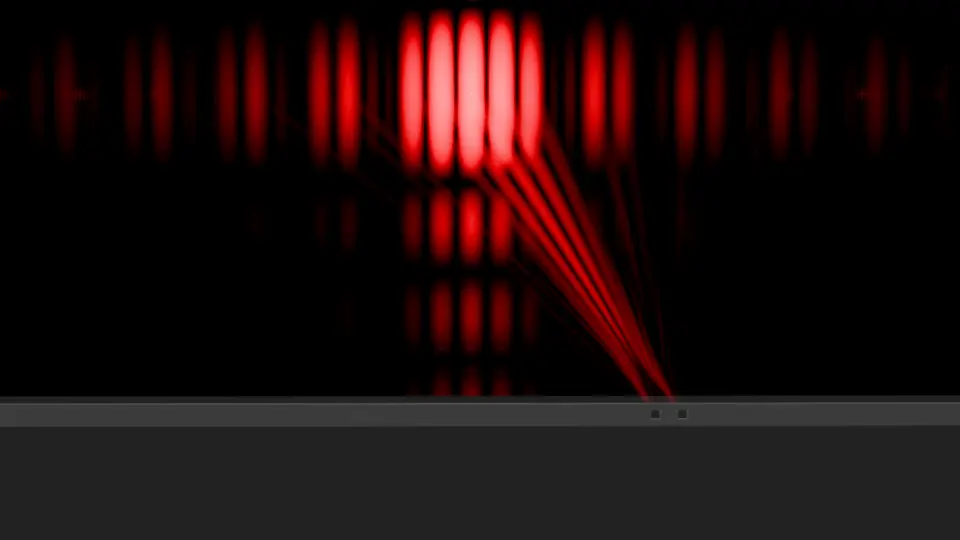
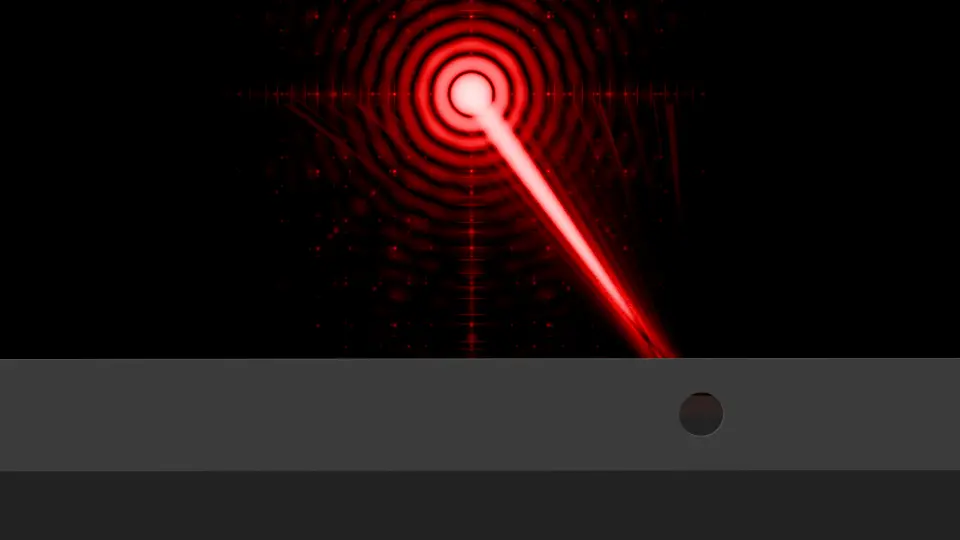
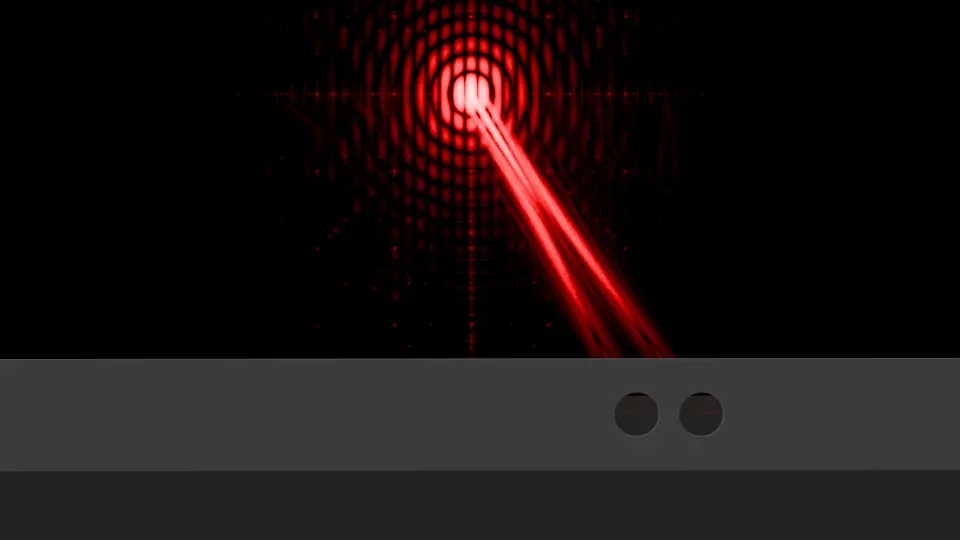
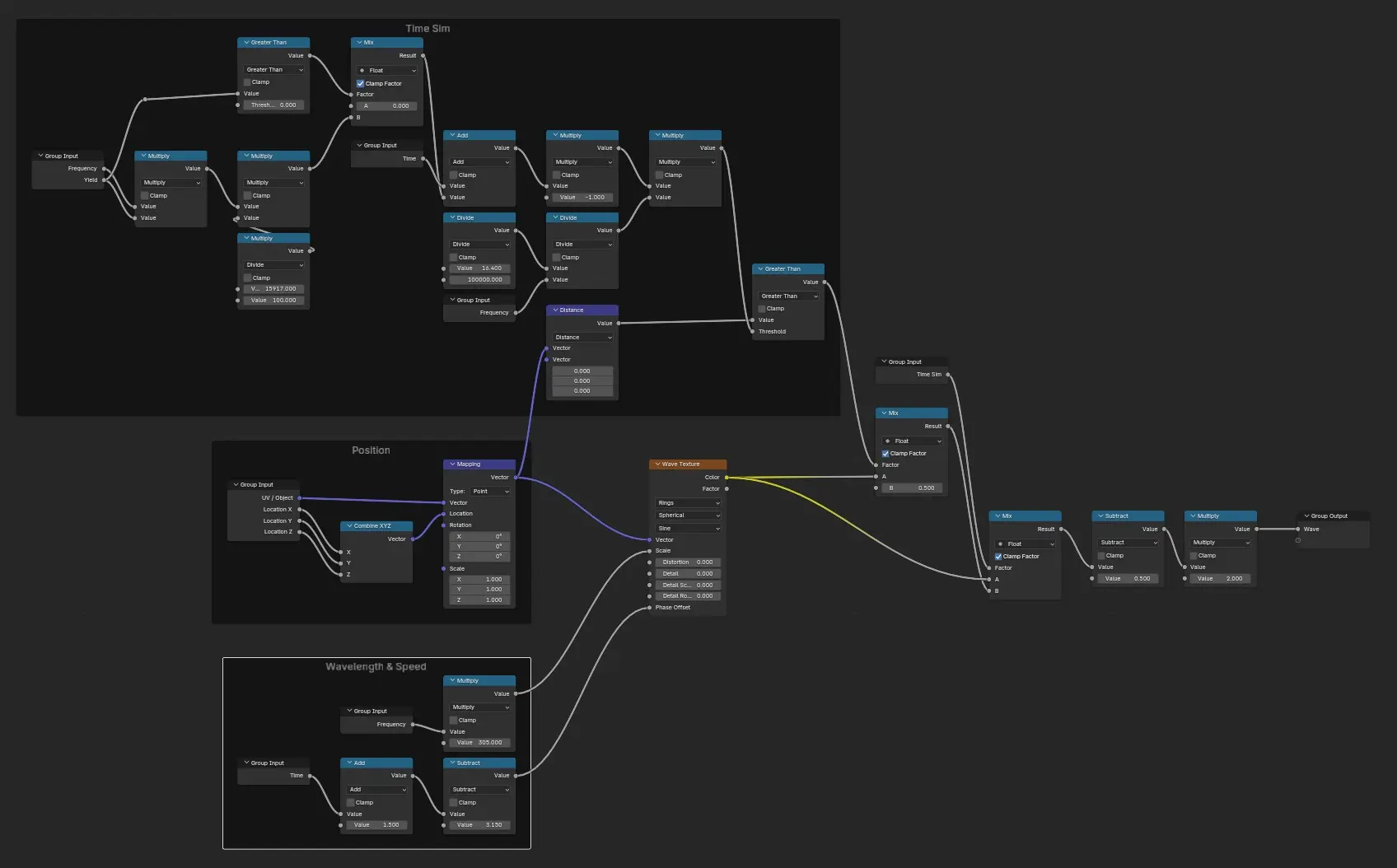
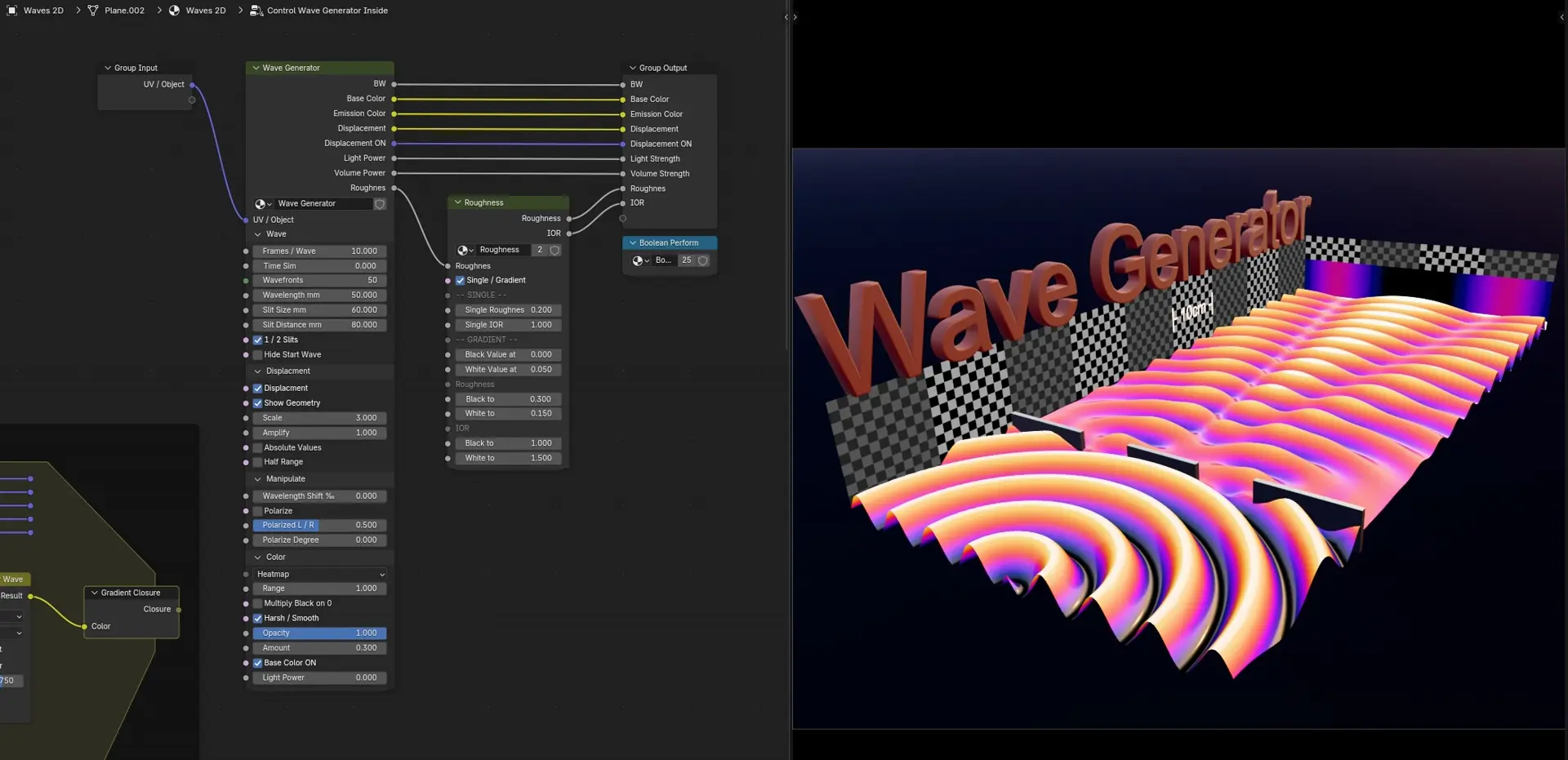
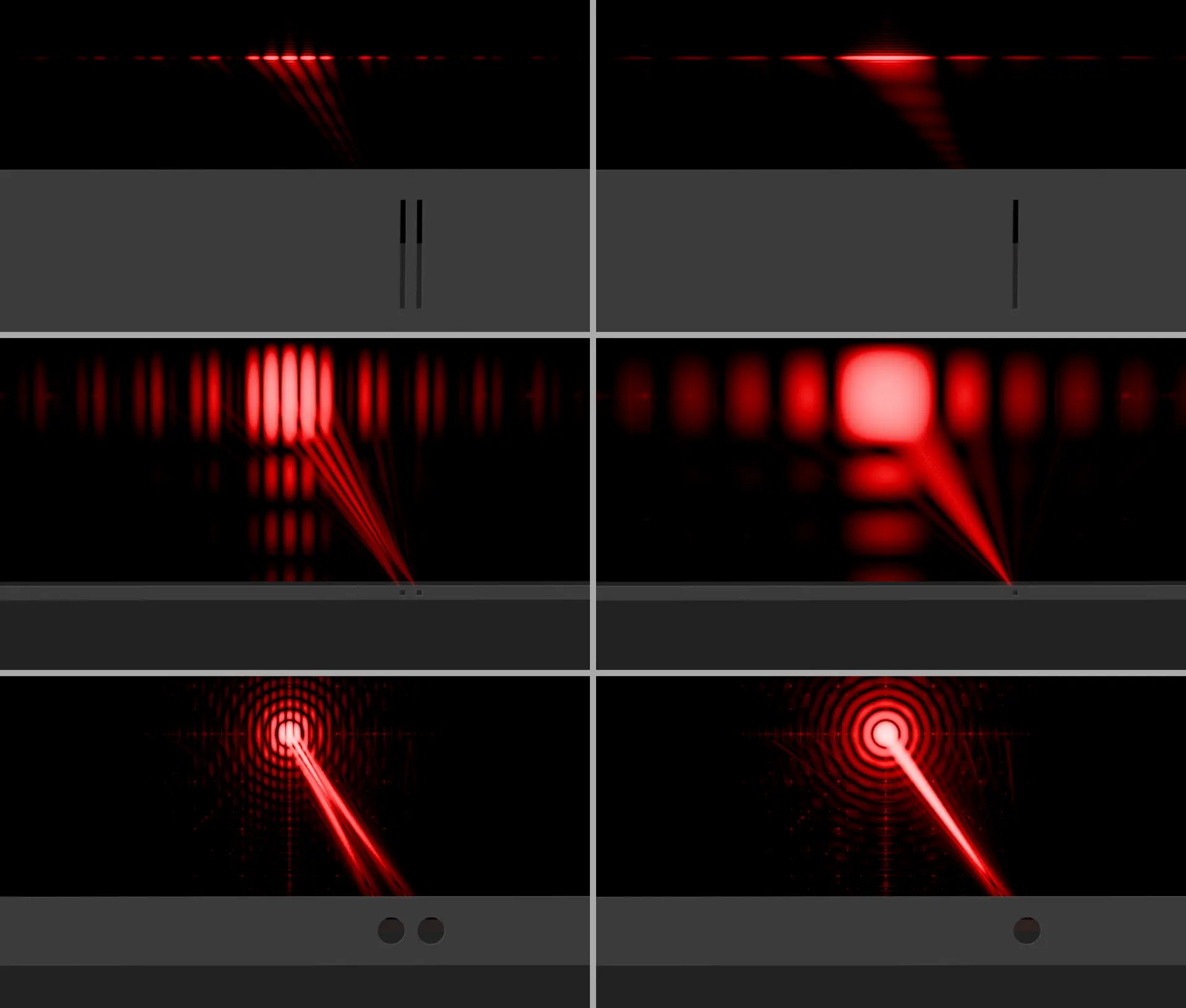
After recreating the doubleslit experiment at home, I was wondering if it would be possible to simulate the effect in Blender.
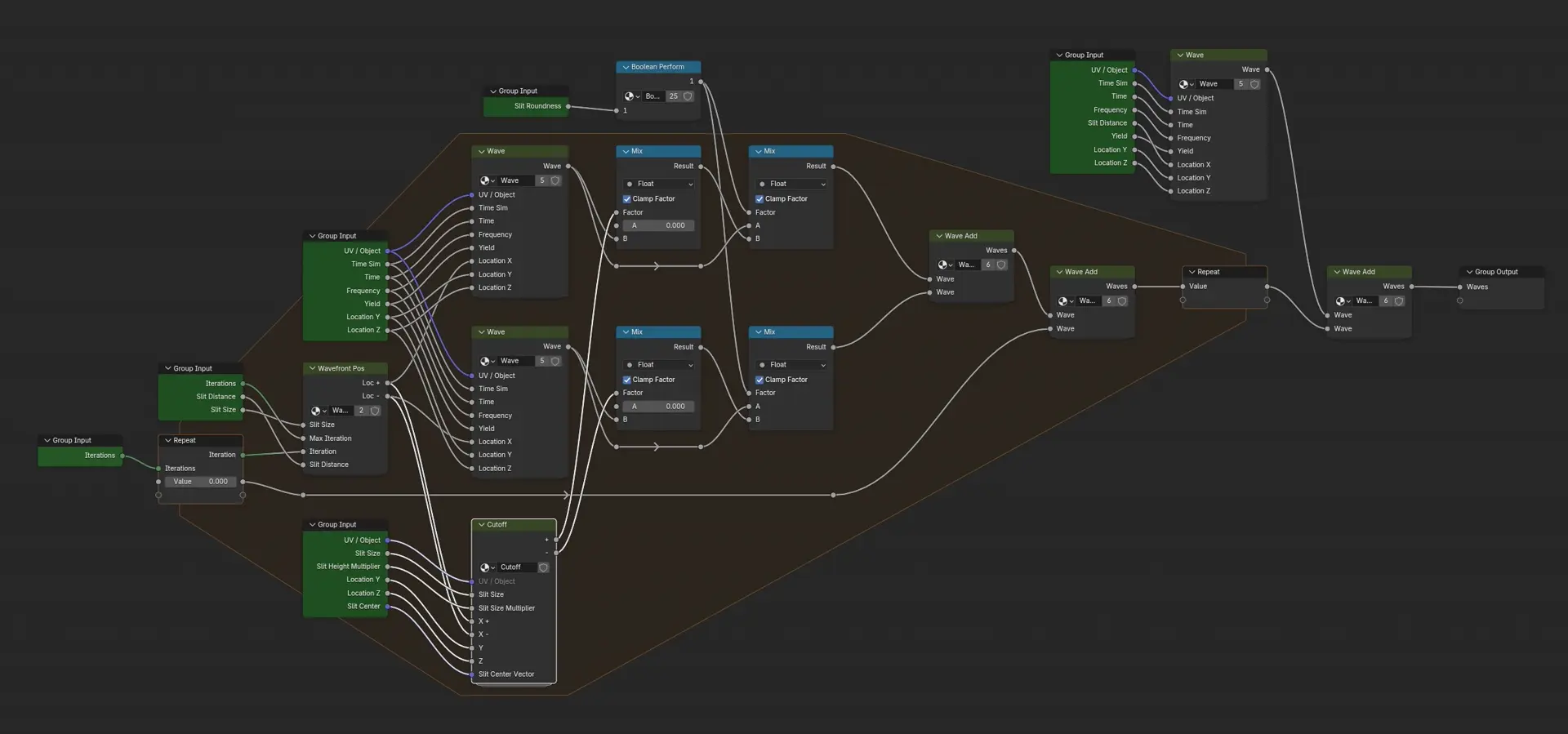
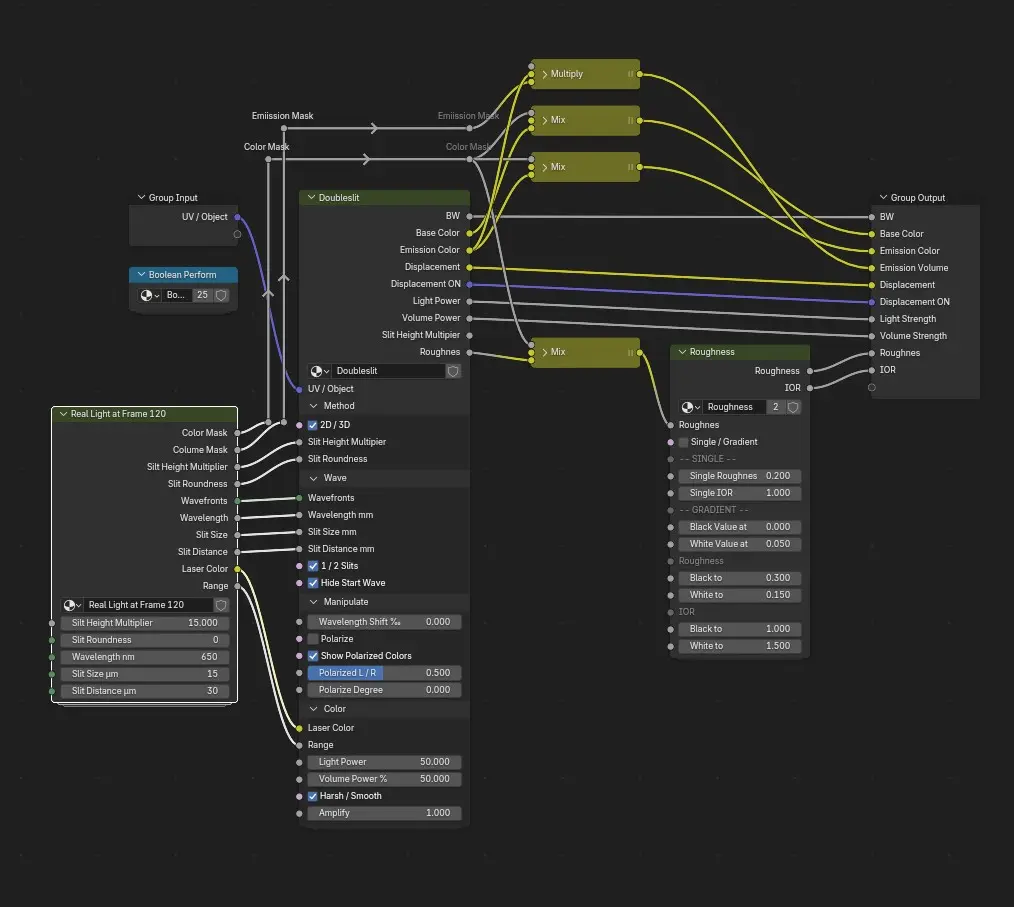
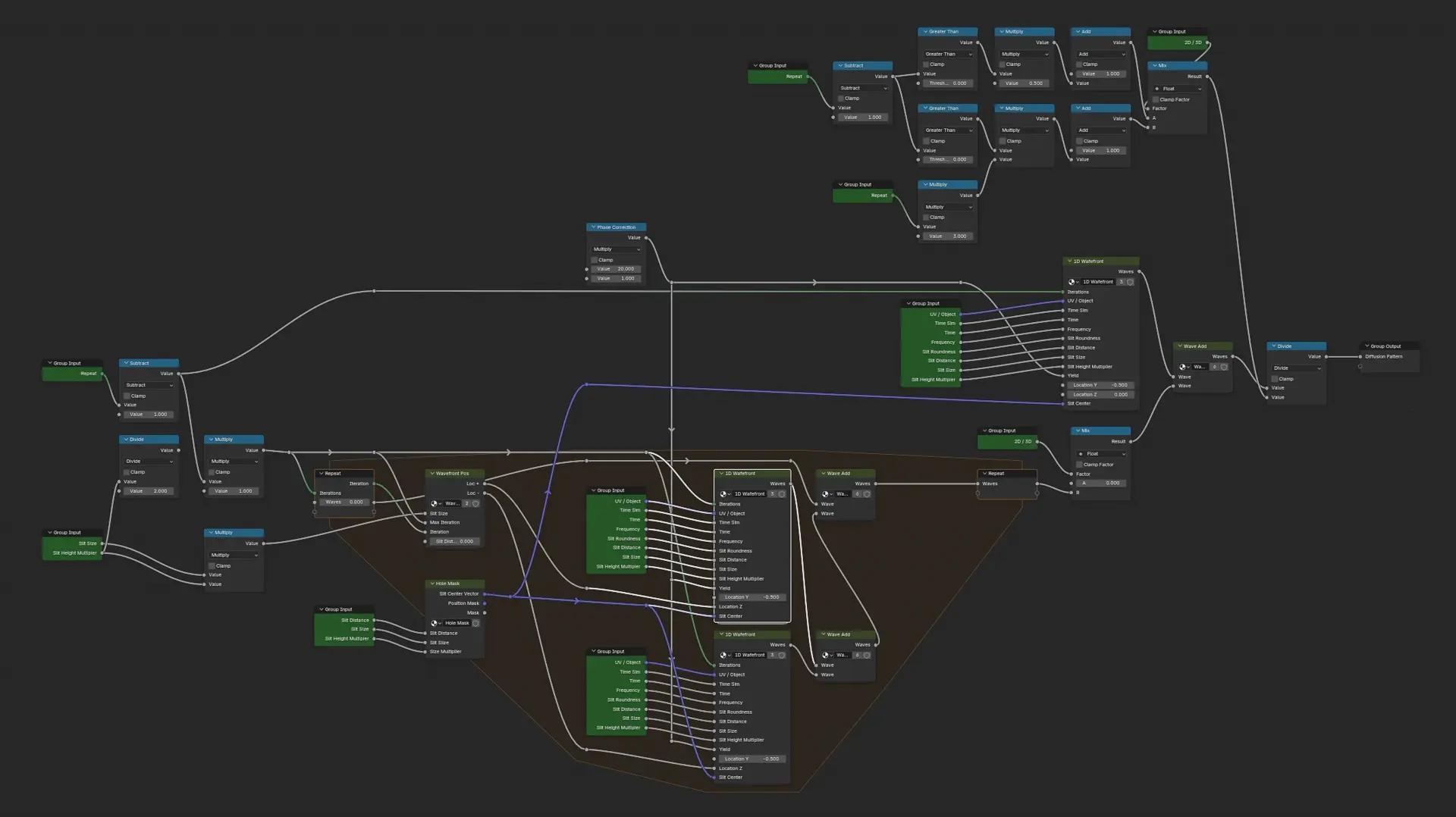
Since the needed calculations are based on waves and blender has integrated 3D wave textures, I started by building a wave generator.
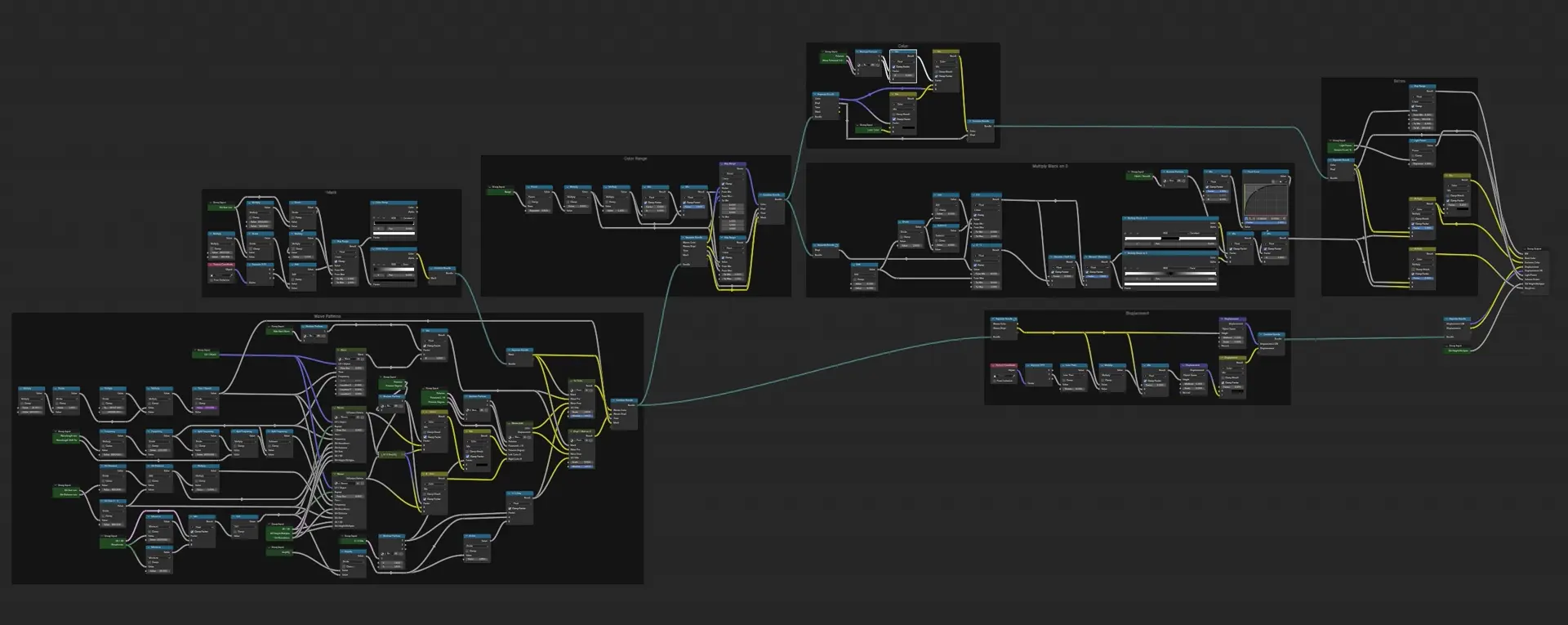
With the update to Blender 5 and the Repeat Zones in Shader Editor it was now possible to create a procedural workflow for creating wavefronts between the slits.
I also noticed that you can actually shrink down the wavelength of those Wave Textures to actual light wavelengths.
When I did this, real world light behavior emerged, thus recreating the interference and diffraction patterns of the doubleslit experiment.
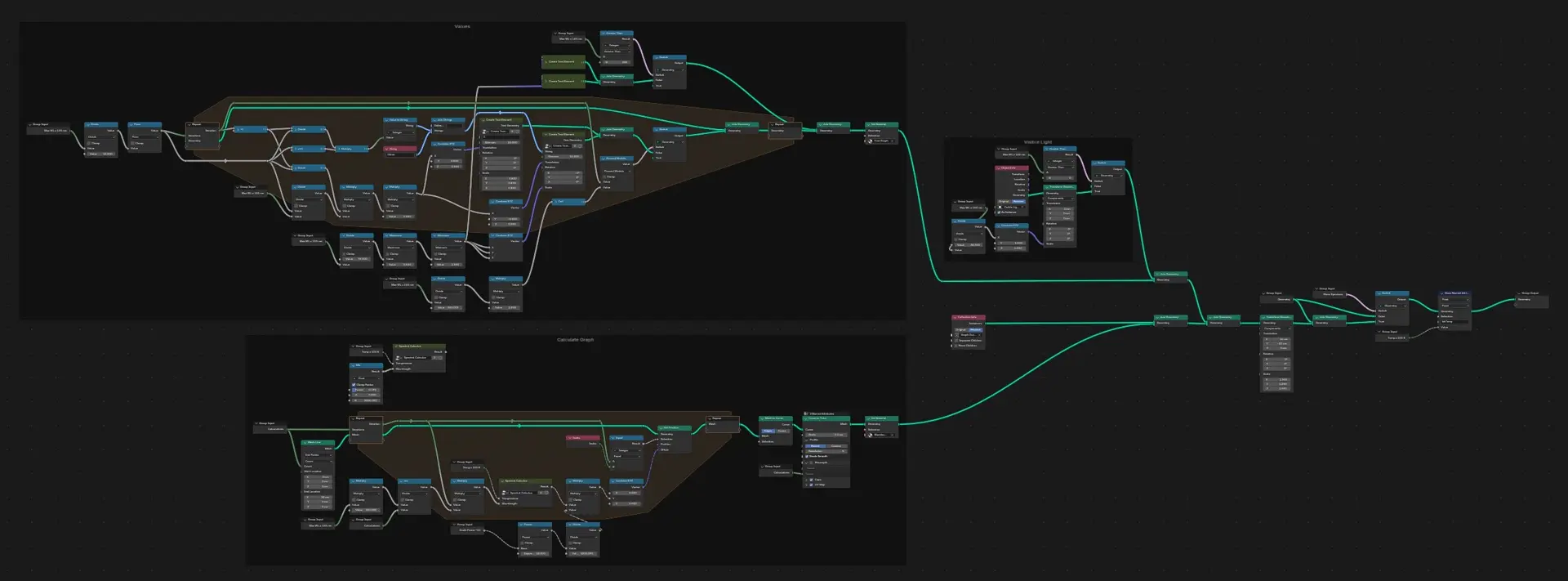
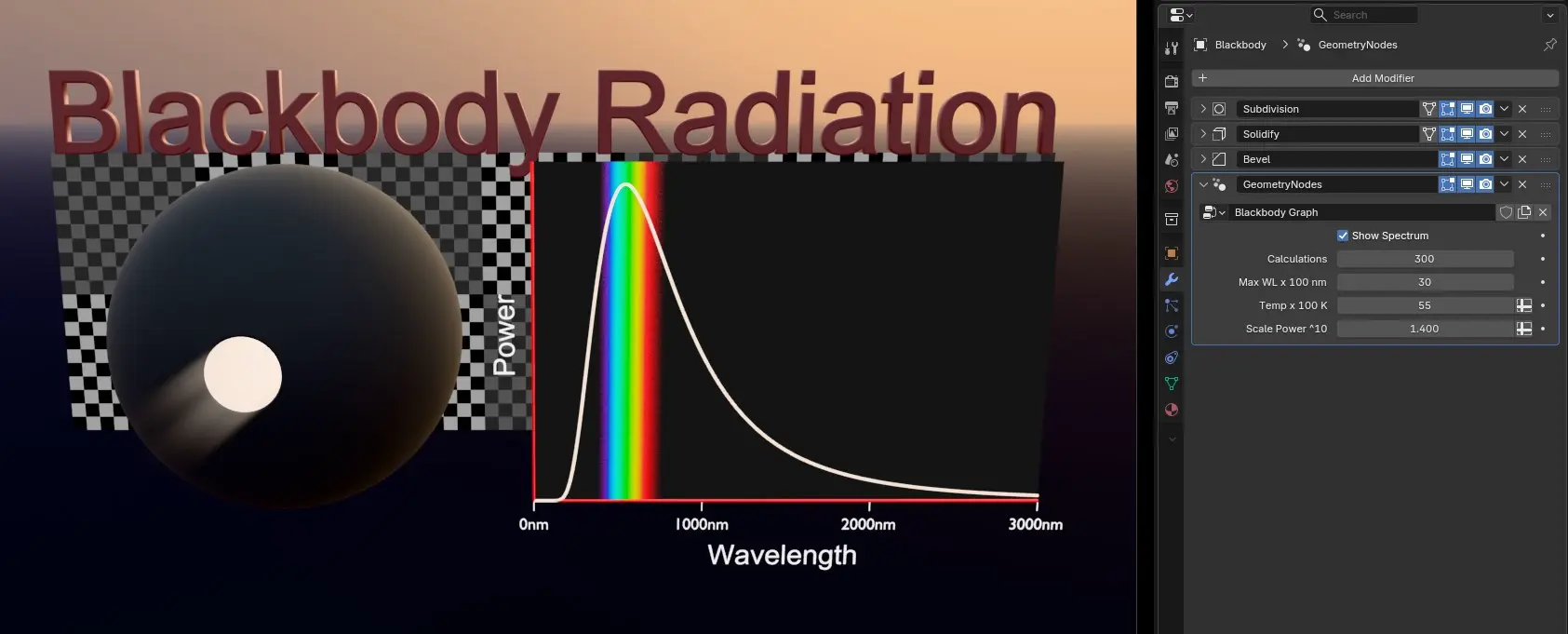
I also started tinkering around with other quantum mechanichal concepts and I built a Blackbody Radiation Simulator complete with interactive graph.
I used spectral radiance equation given by Planck’s law and converted it for geometry nodes.
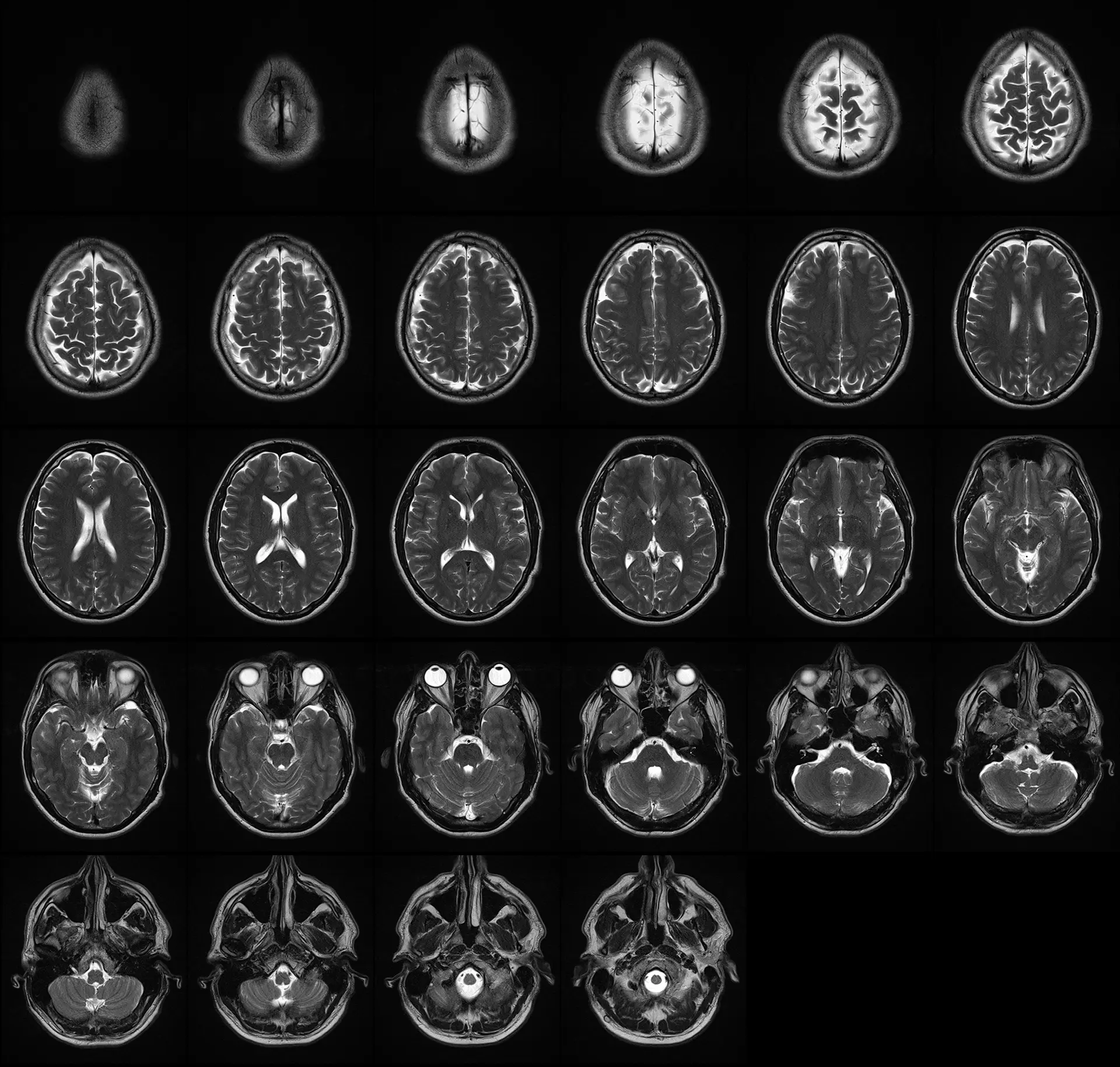
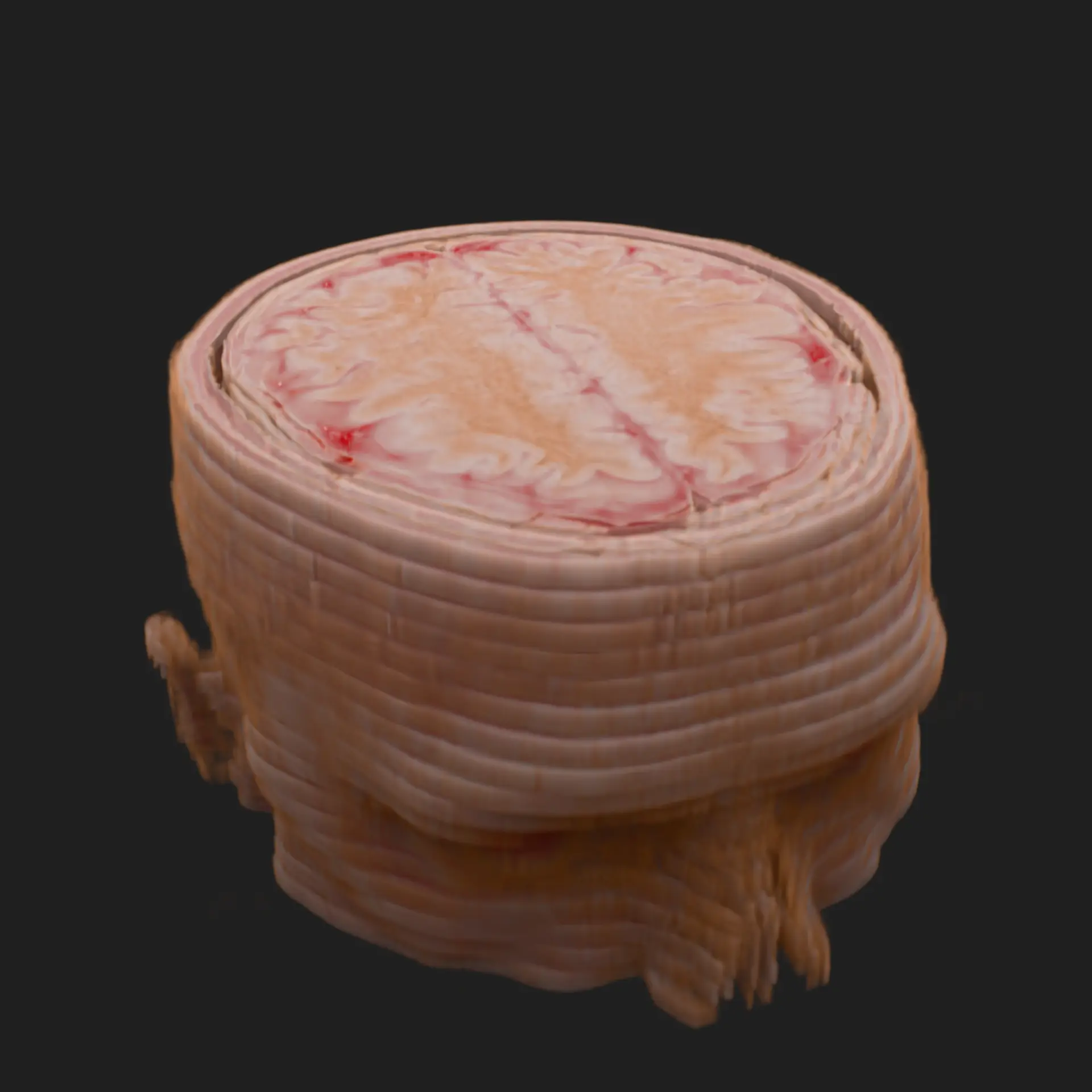
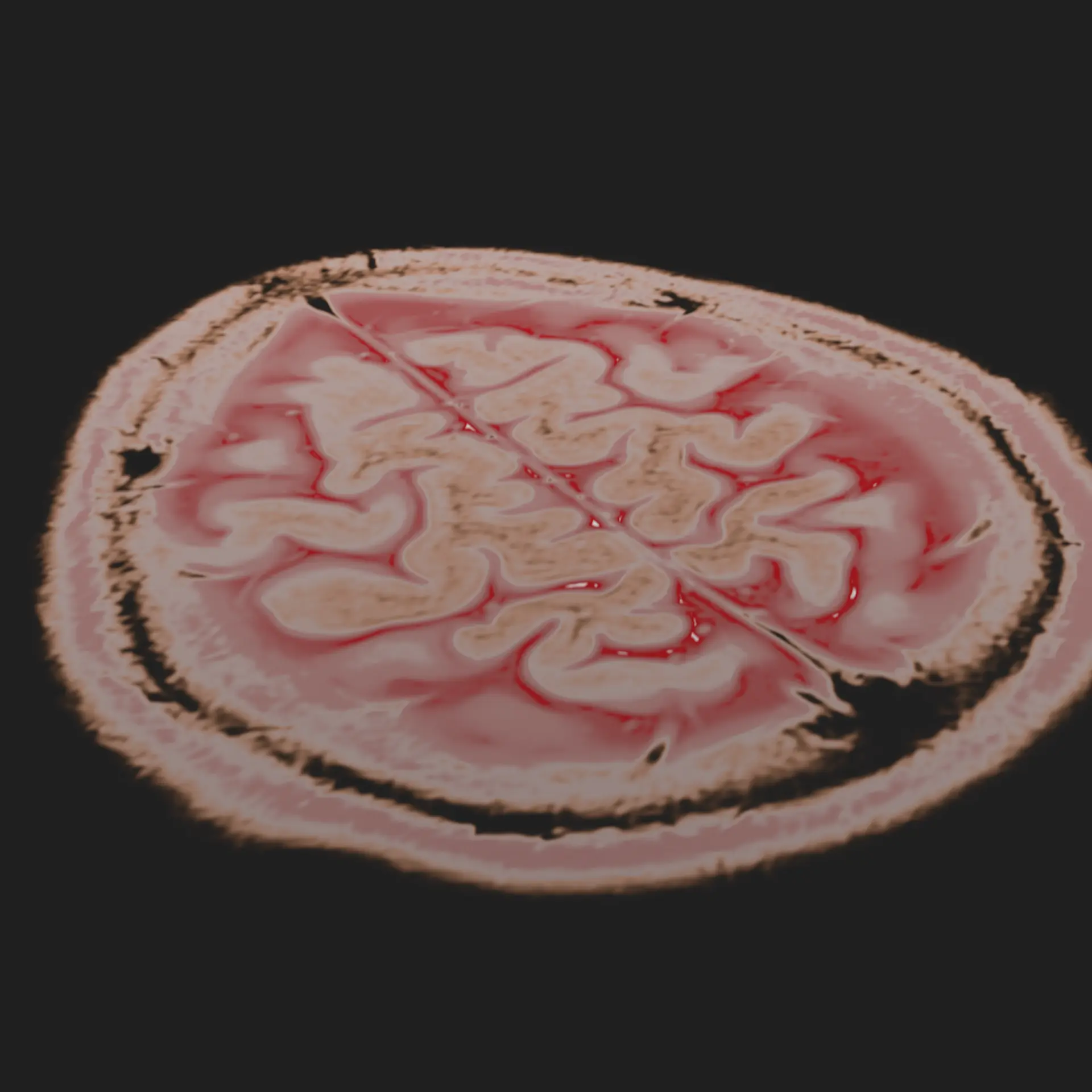
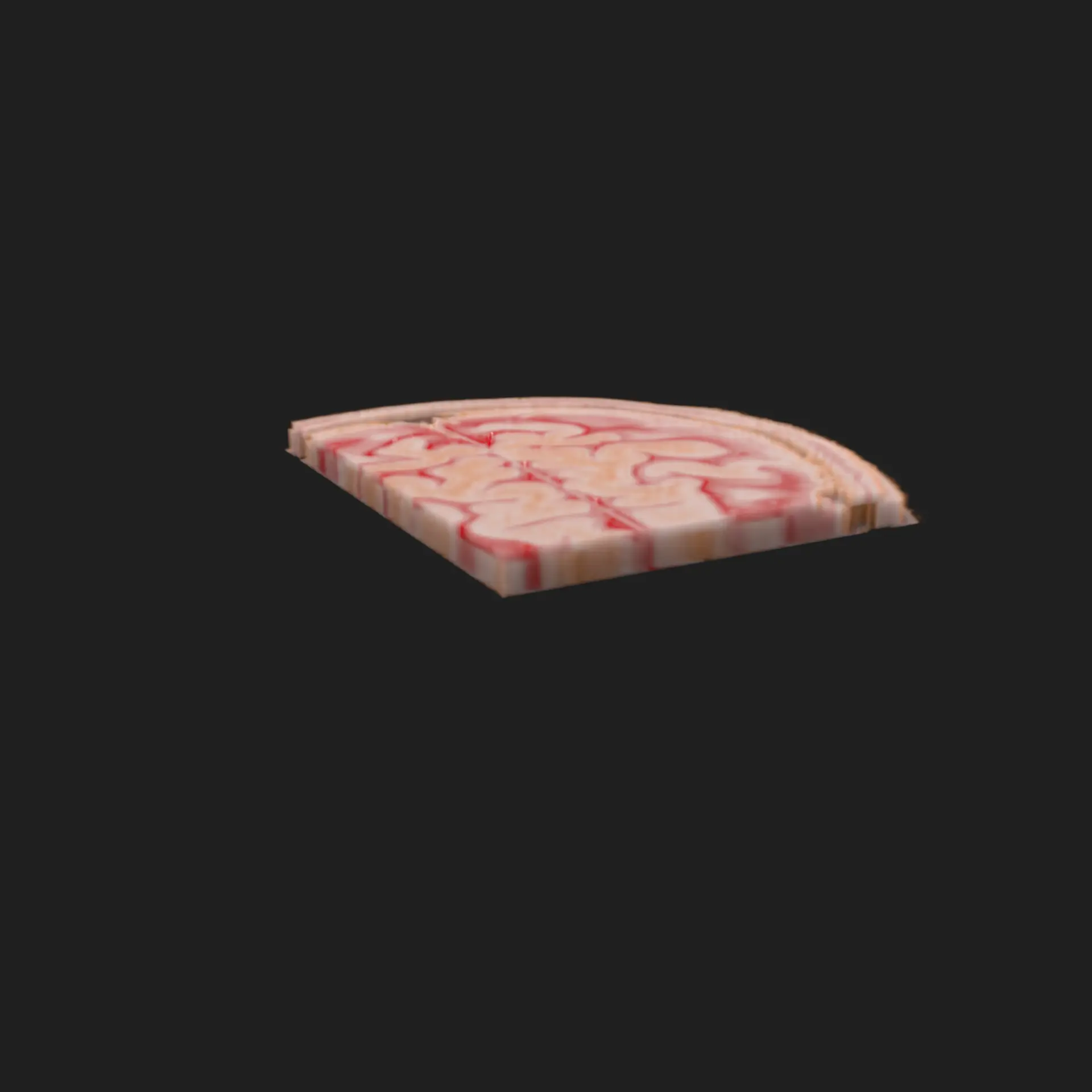
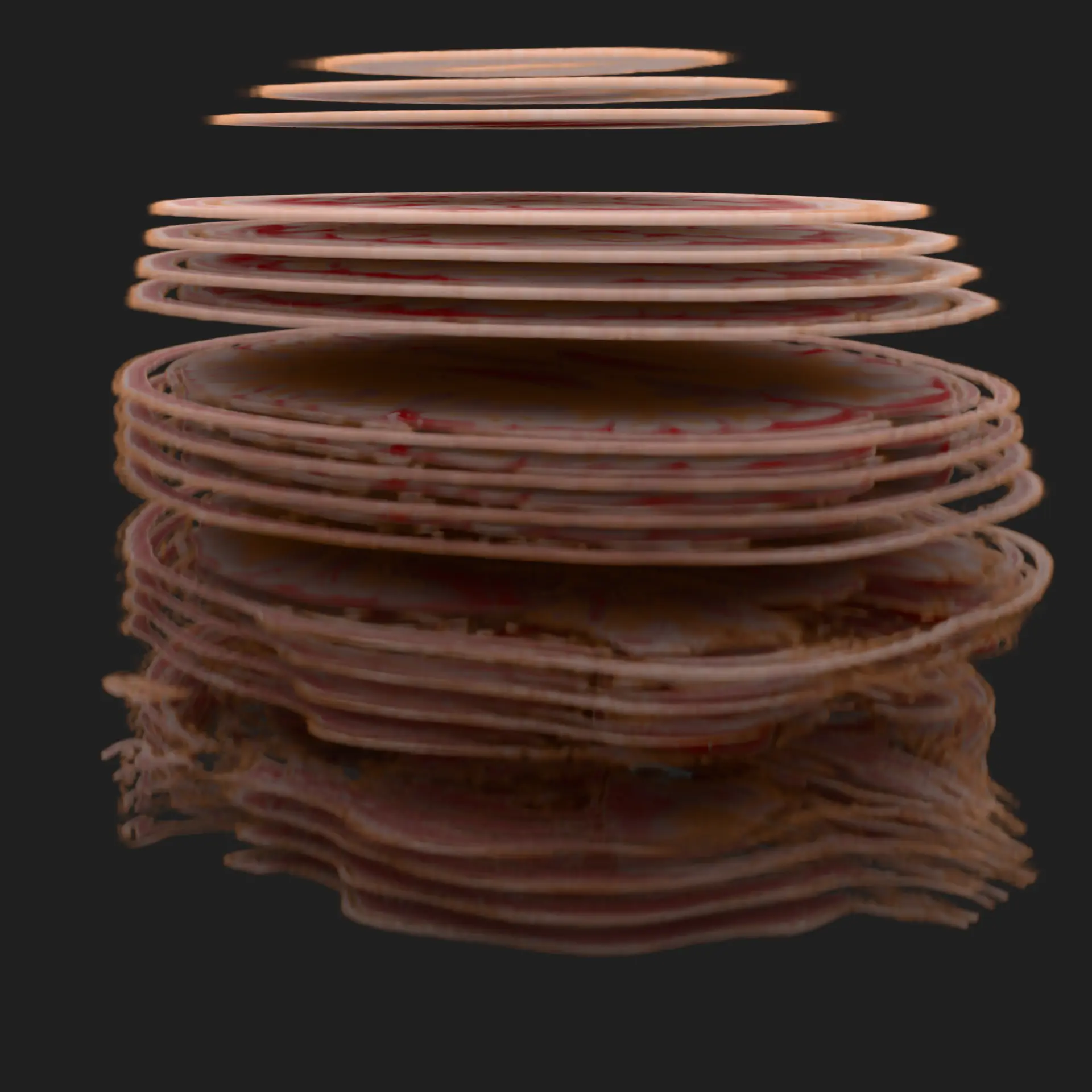
I rendered out all images with a DICOM viewer.
I used Photoshop to create an atlas or sprite sheet out of those images.
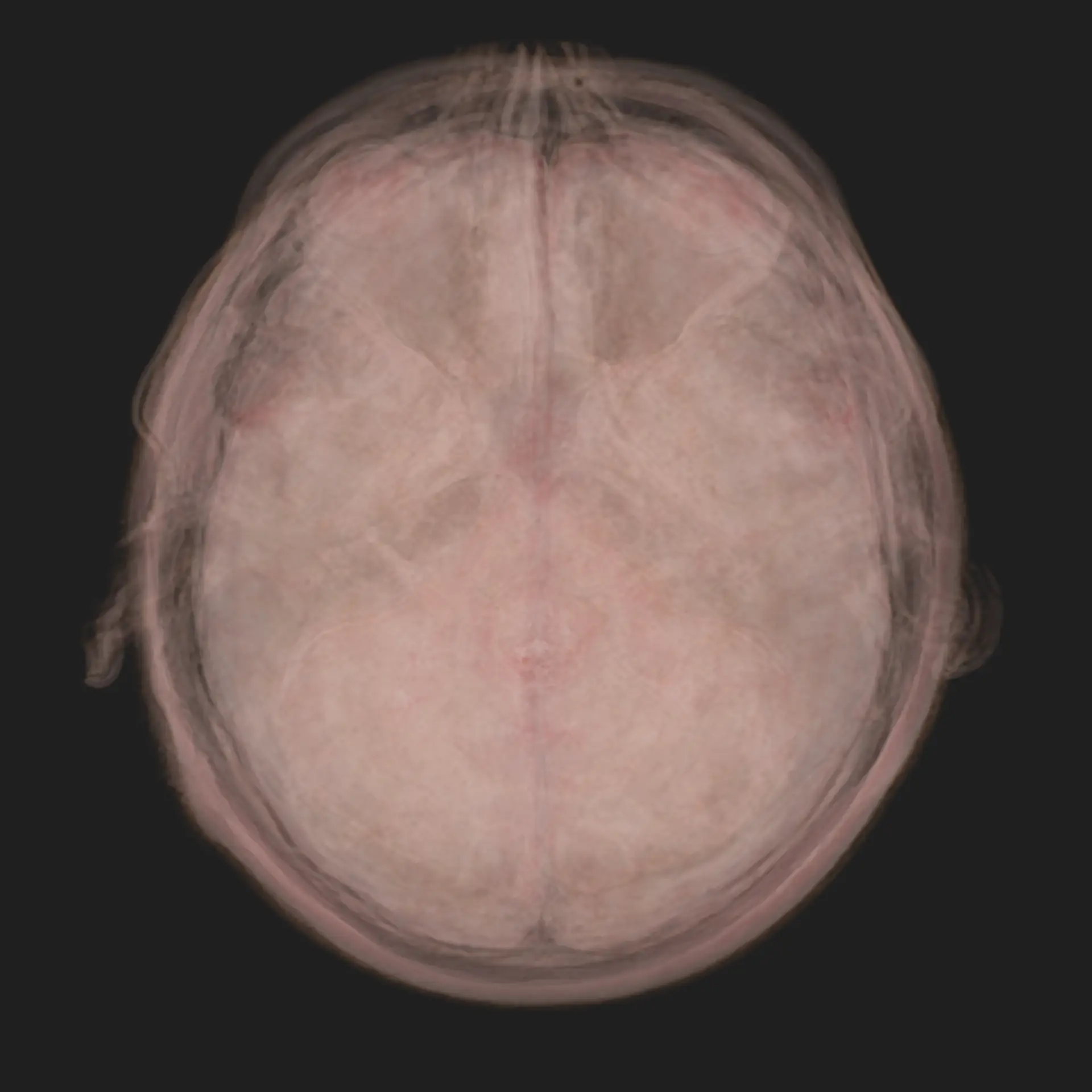
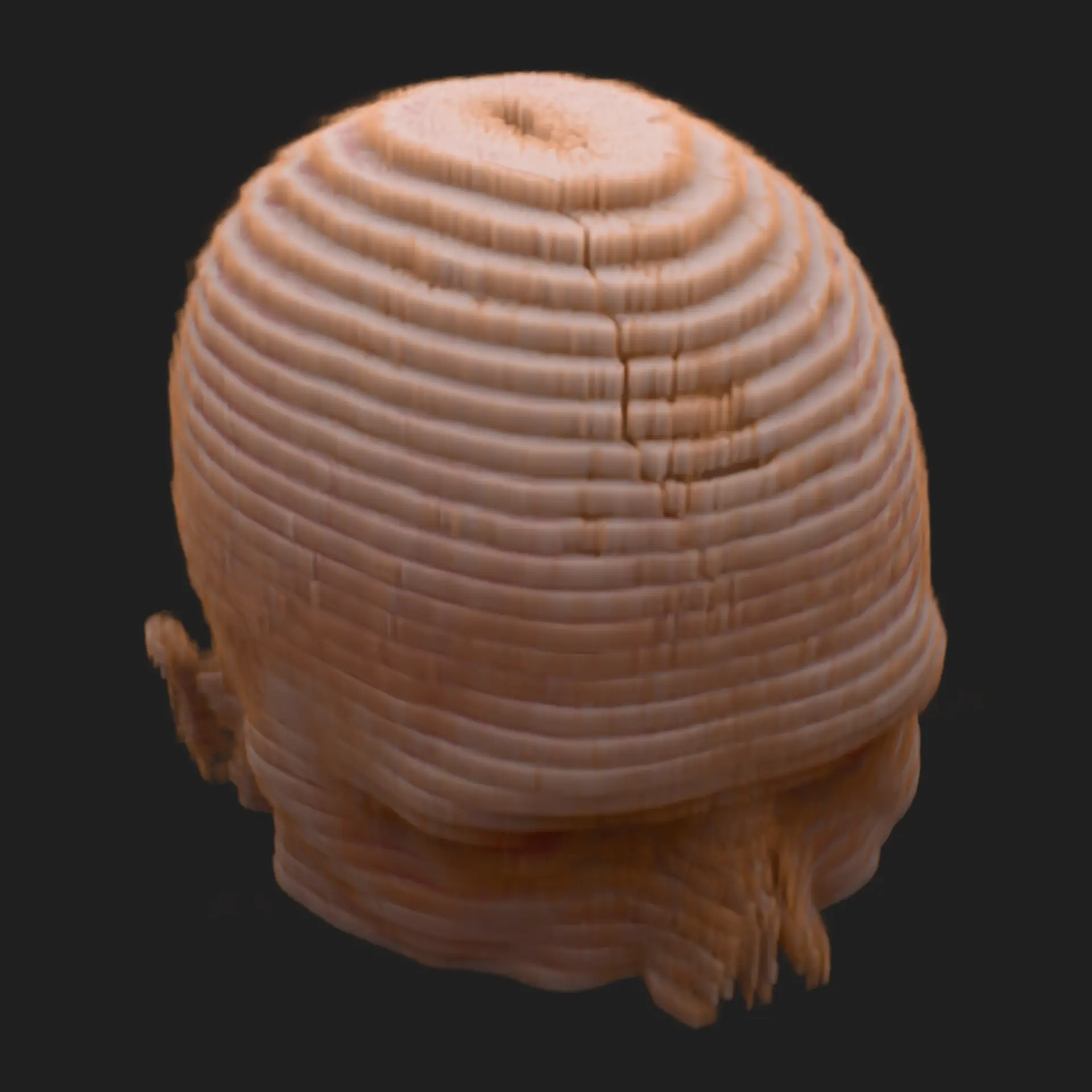
I created a shader node to space out those values proceduraly to create a density map for a volume.
This density map can be used further to colorize the images and do some more editing.
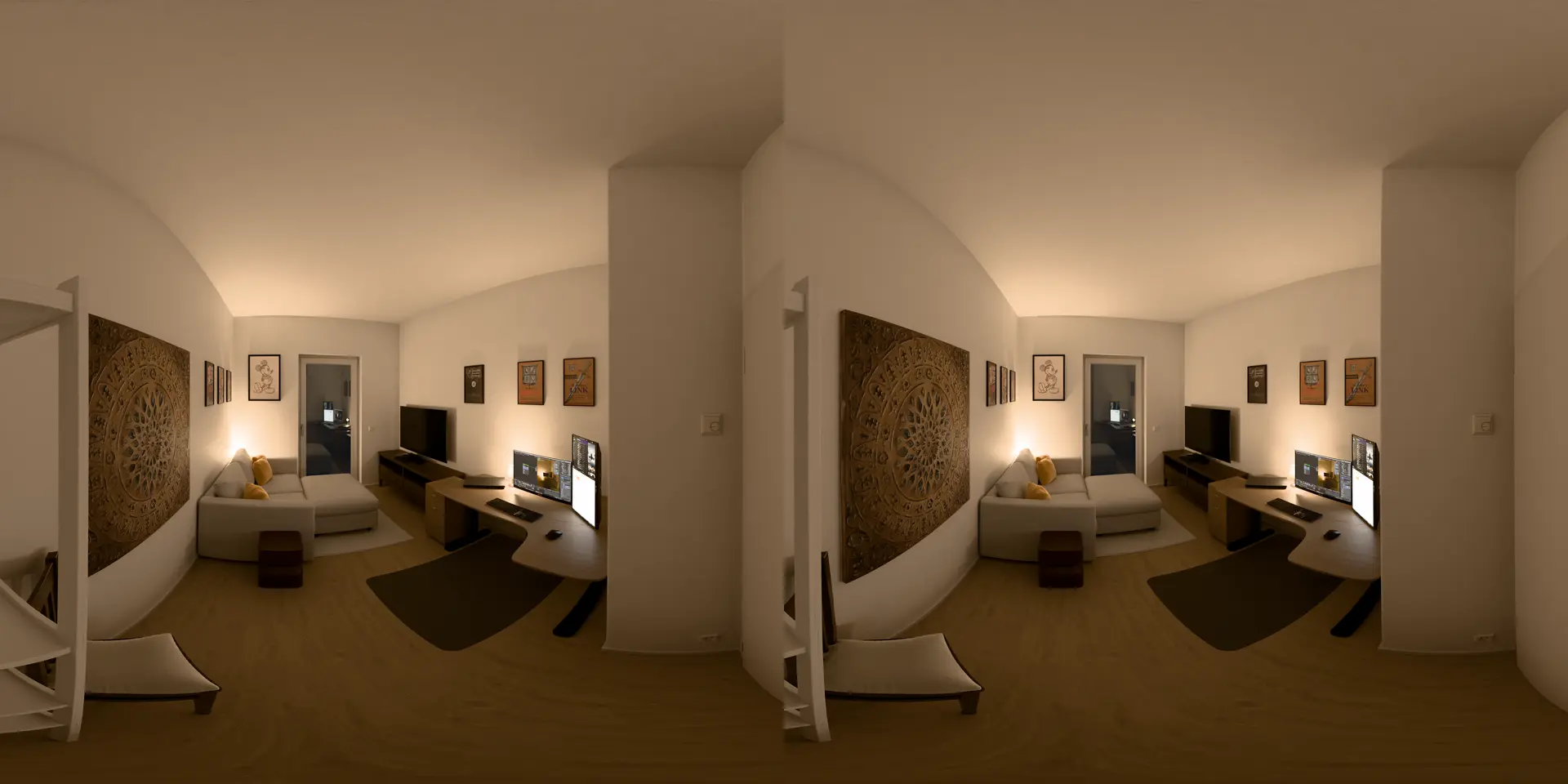
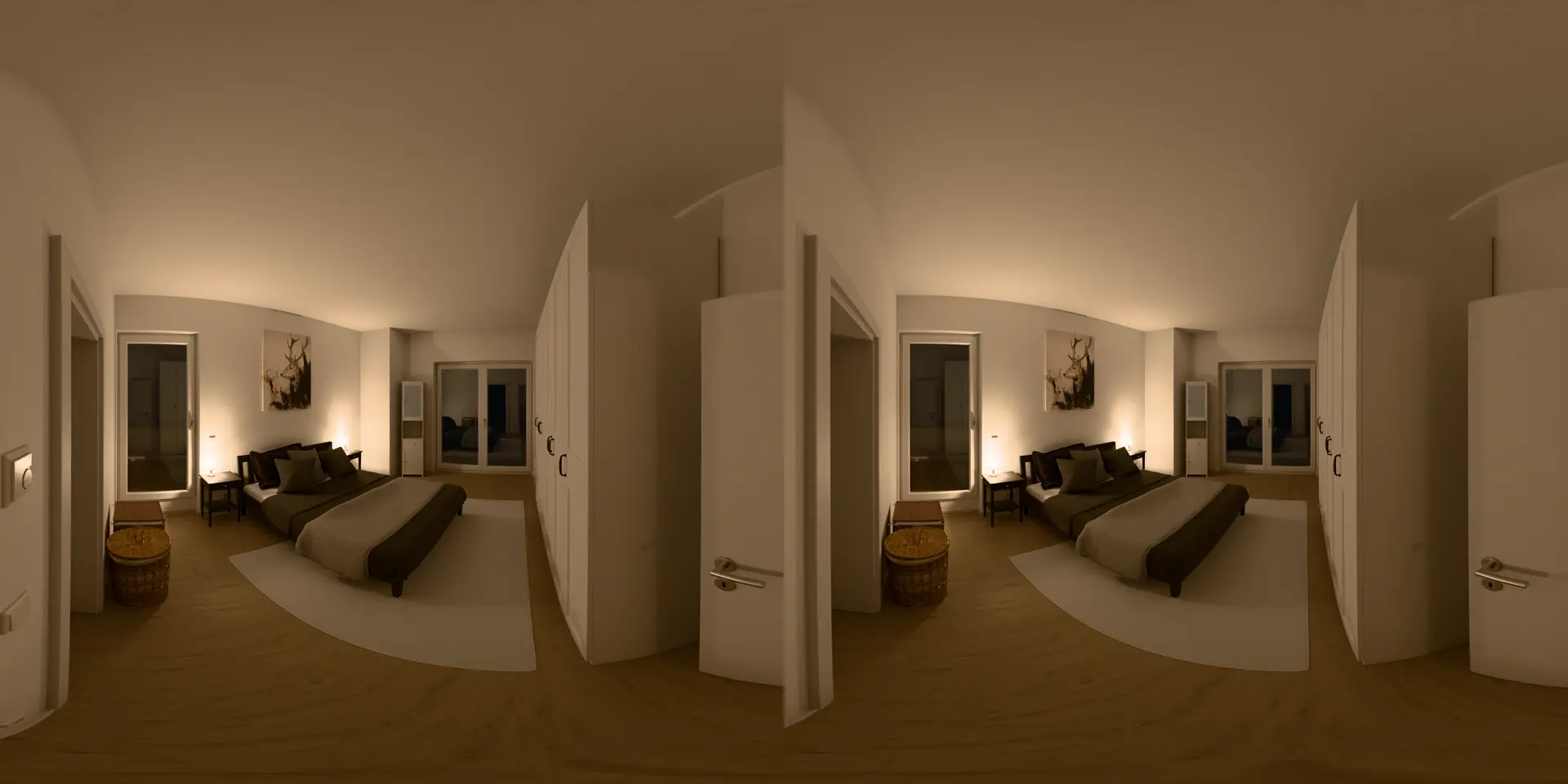
I recreated my home mainly to be able to fit stuff in, when I need to buy something new.
No need for measuring anymore, since I modeled it all to scale.
I also used Blender to create stereoscopic 180° 3D images. You can use VR glasses to view those.
And I created a camera rig to be able to use VR in Blender in realtime, although it's rather not comfortable and not very intuitive. But it worked.
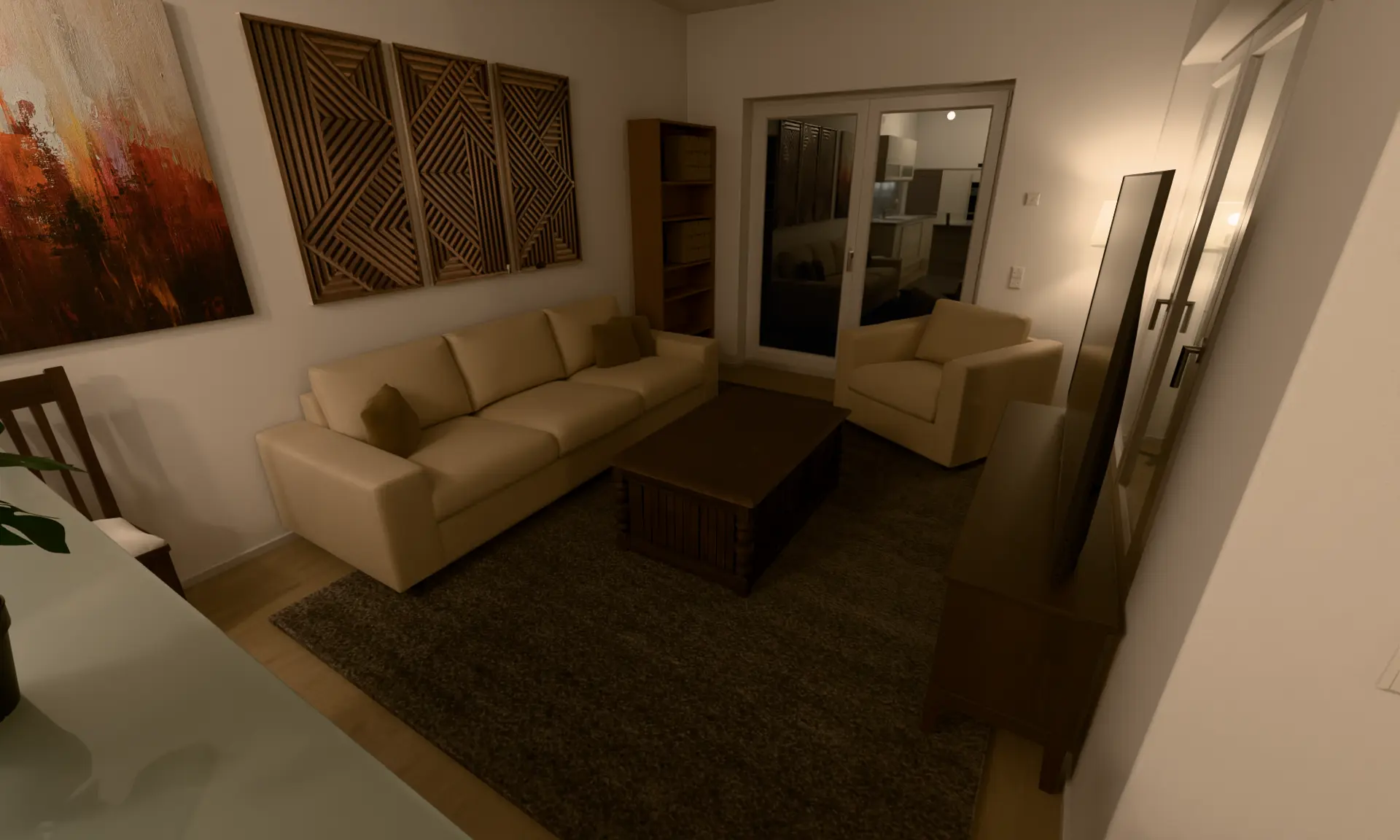
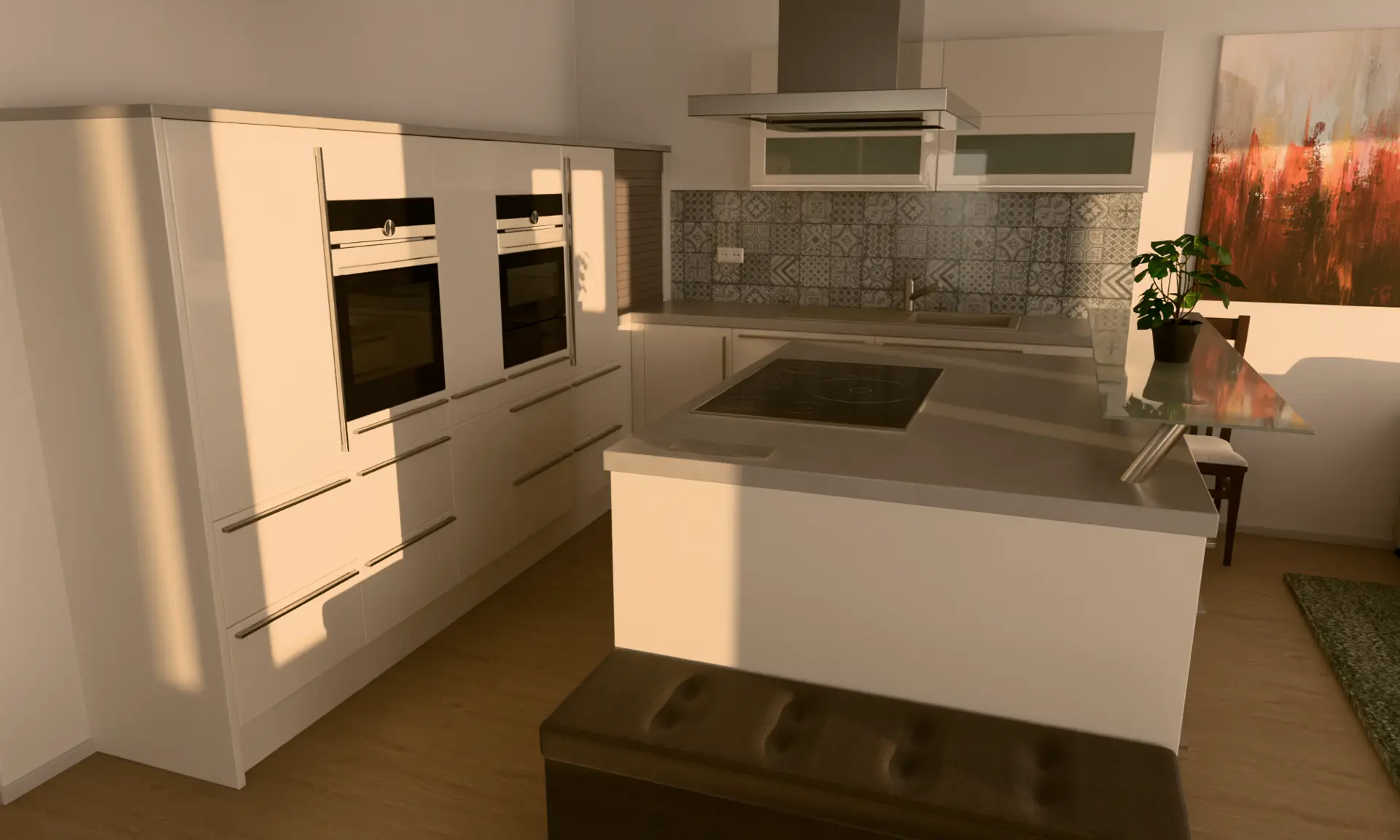
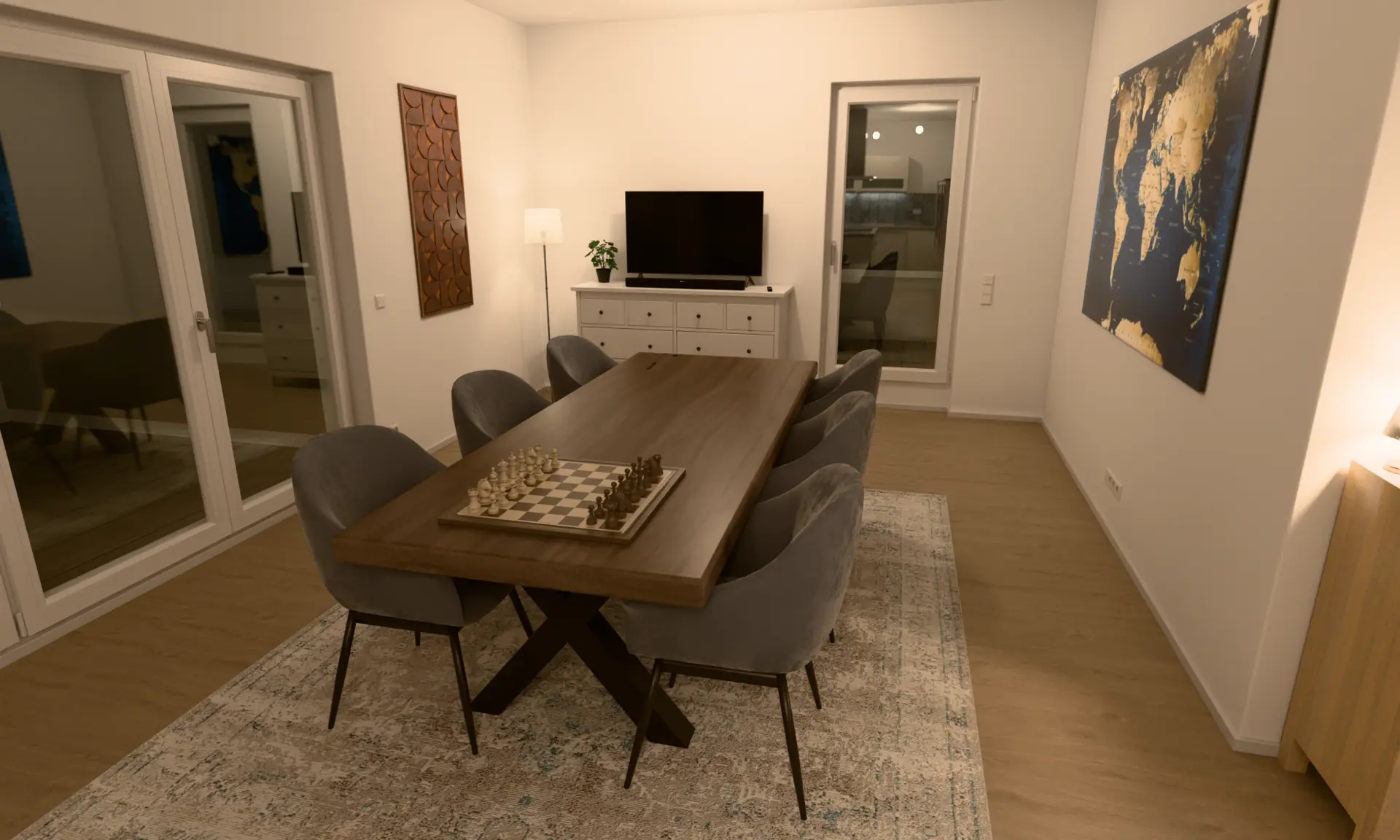
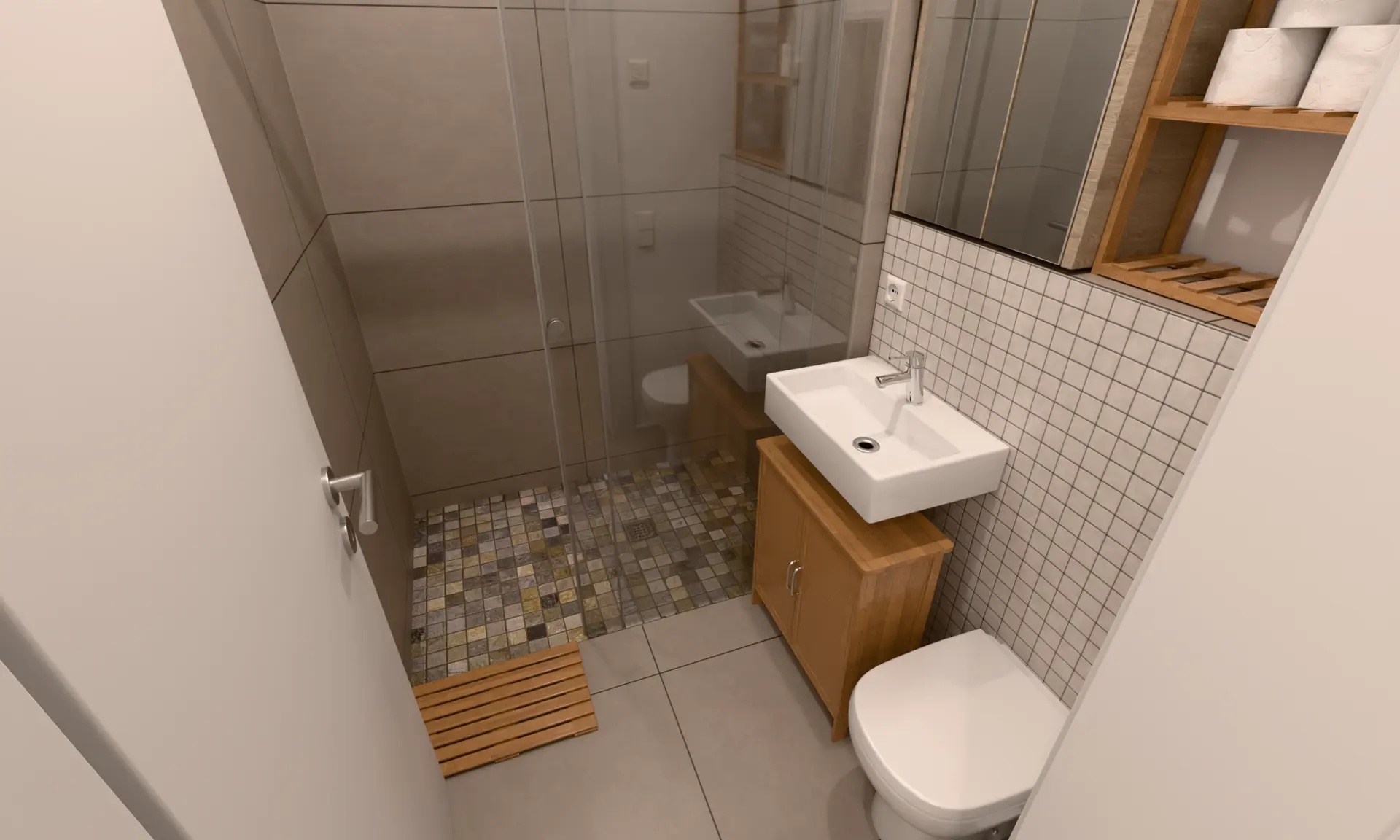
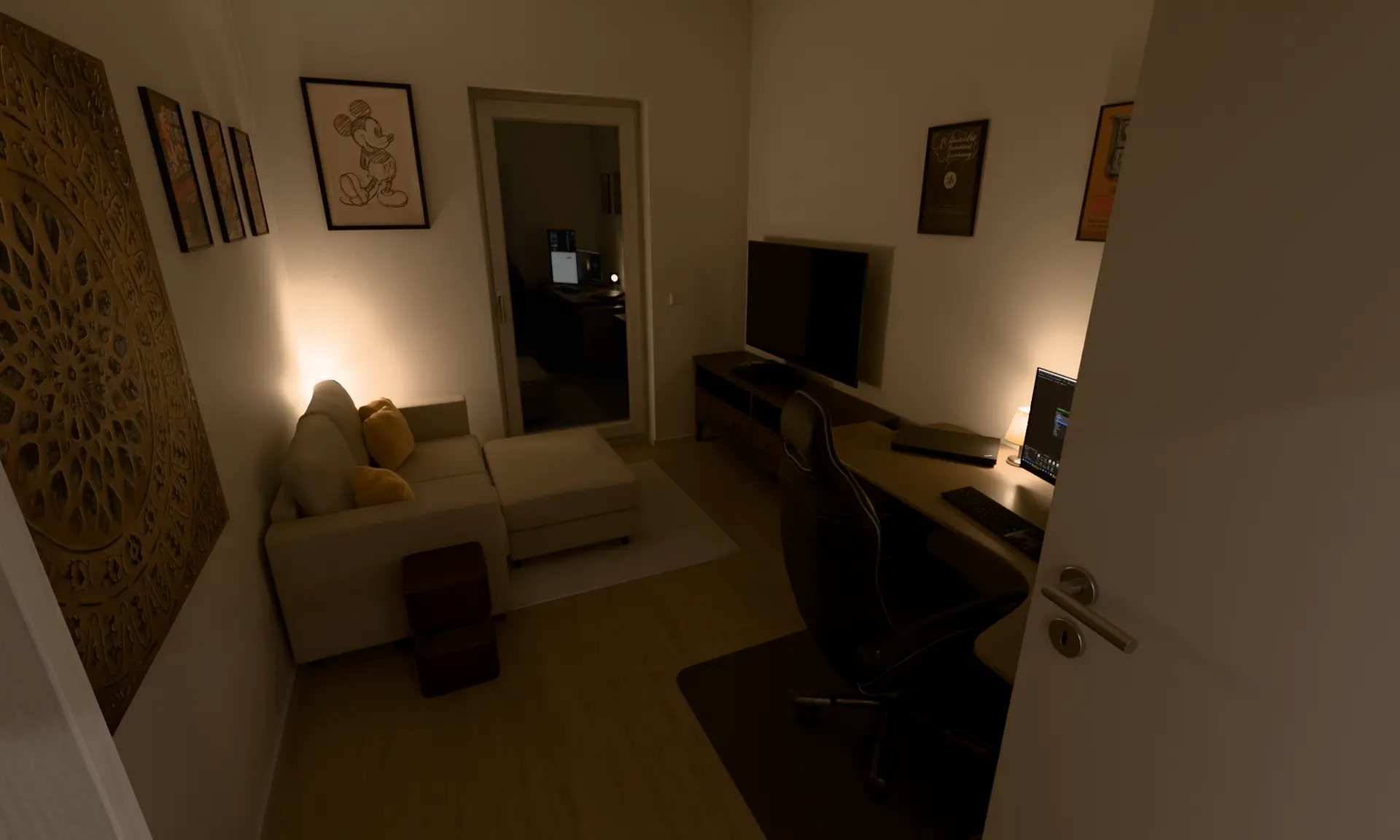
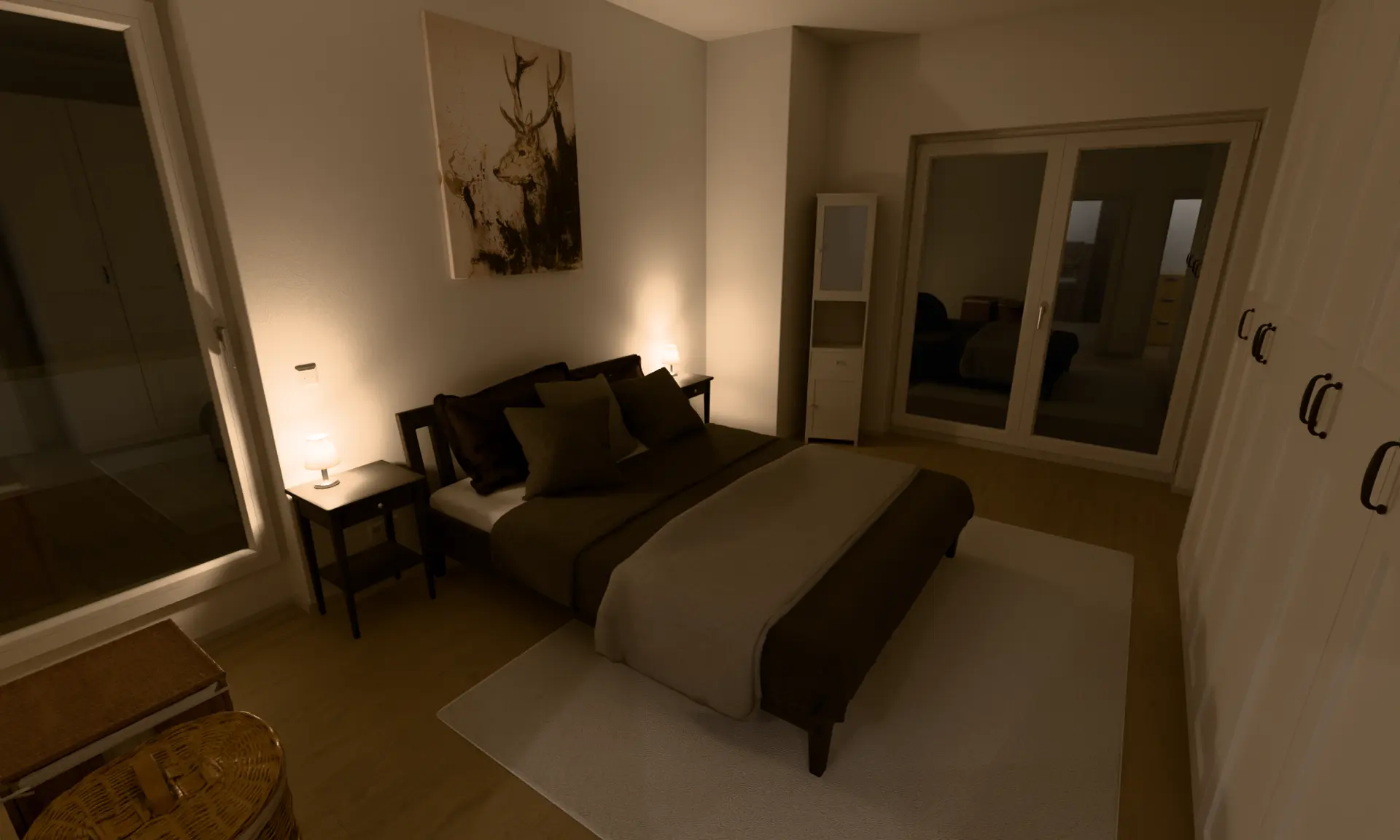
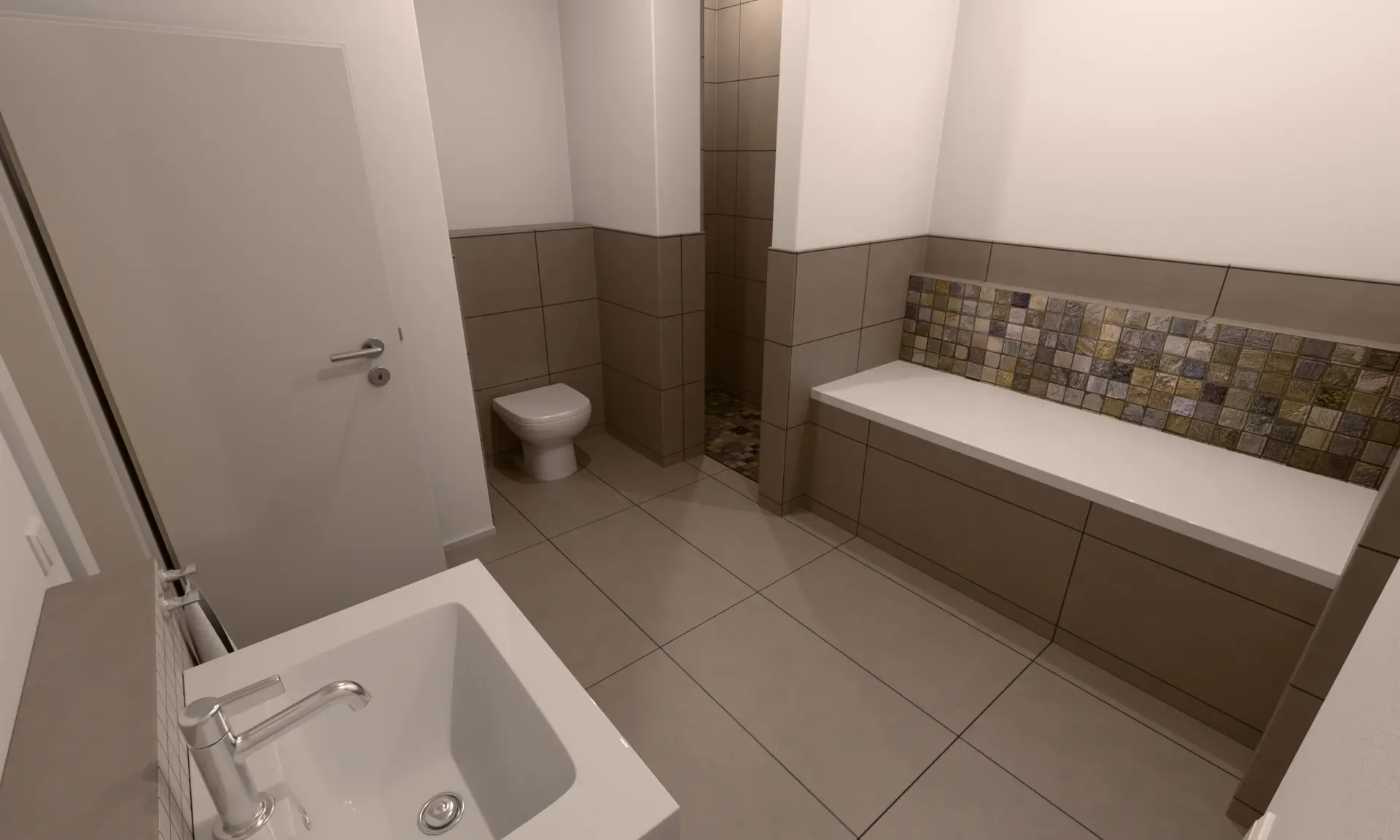
180° Stereoscopic 3D
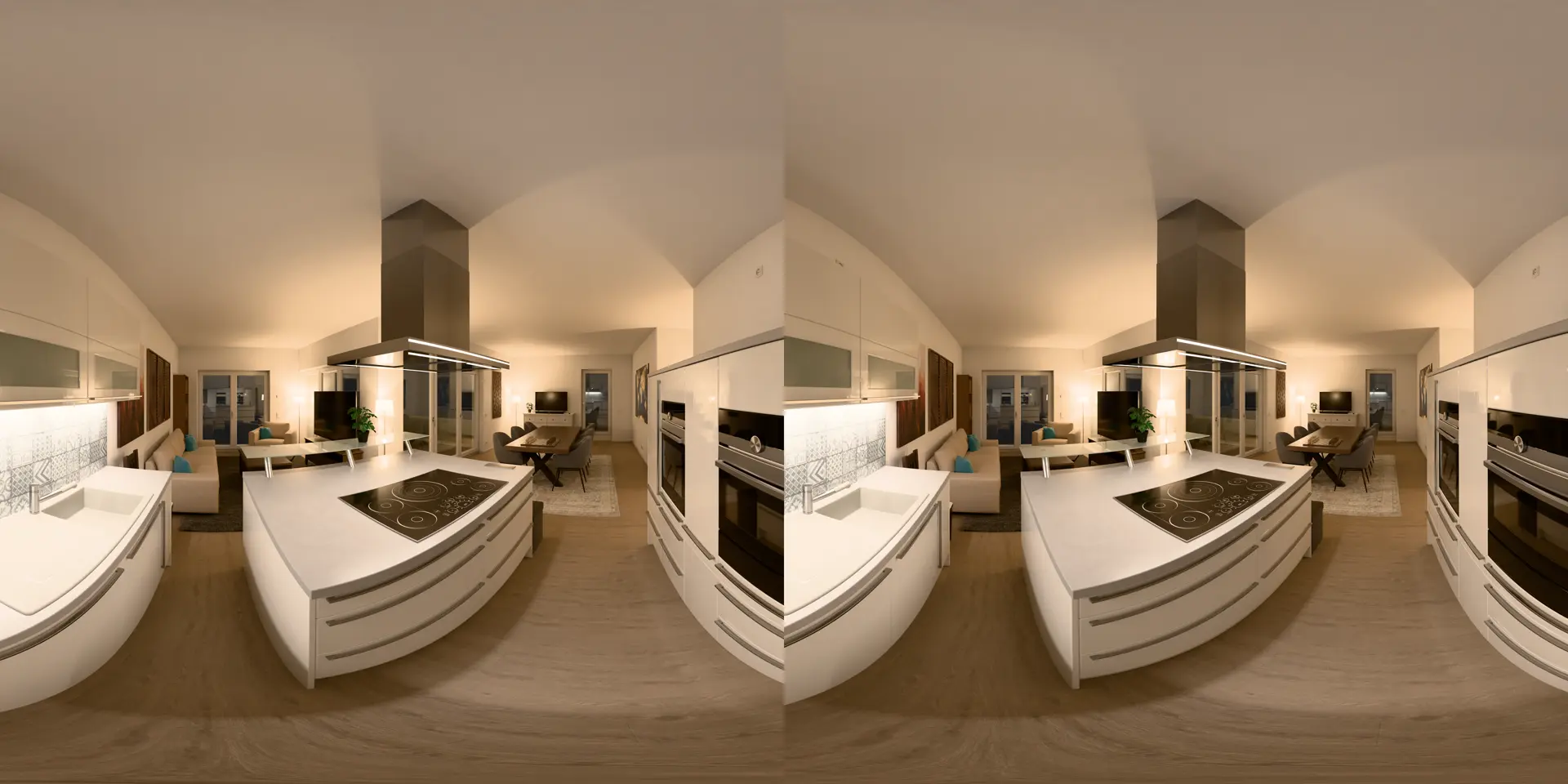
Creating this inhouse saved us a lot of money initially.
The goal was to create a hybrid between Android and Apple Smartphone.
The smartphone was heavily used for a lot of different campaigns and is still in use today.
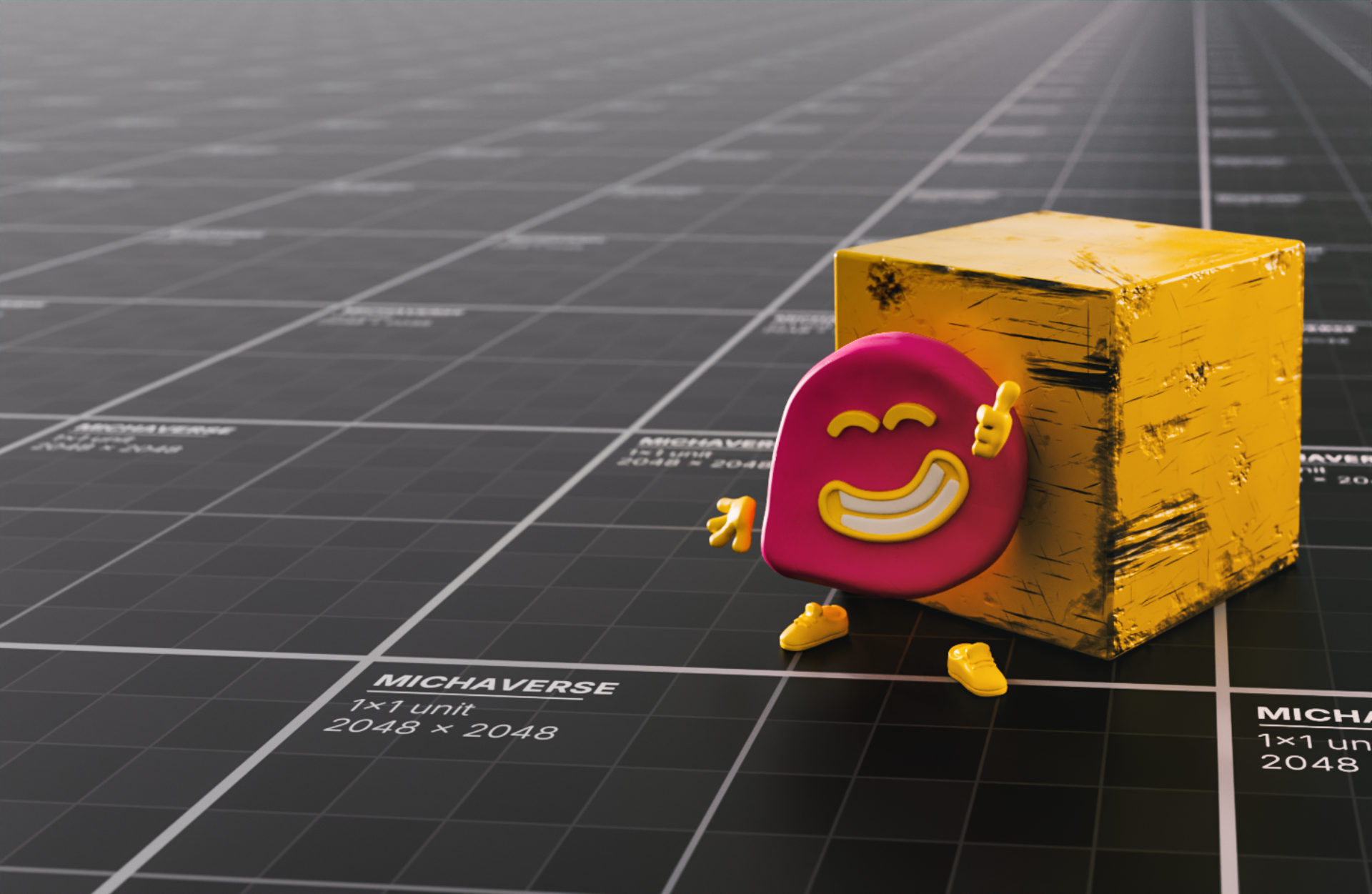
Since there seemed to be a demand and since it helped us stay visible as a department, I continued to develop a 3D infrastructure and architecture for REWE.
Later, the idea emerged to use 3D assets for our packshots and compositings.
Up to now, many compositings werde created from 2D assets only. Those were very limiting in their versatility. So this seemed to be the right step.
After some explorative work we started to hire freelancers to mass create products for our Blender asset library.
I developed workflows for the asset library use, for compositing and for data handling.
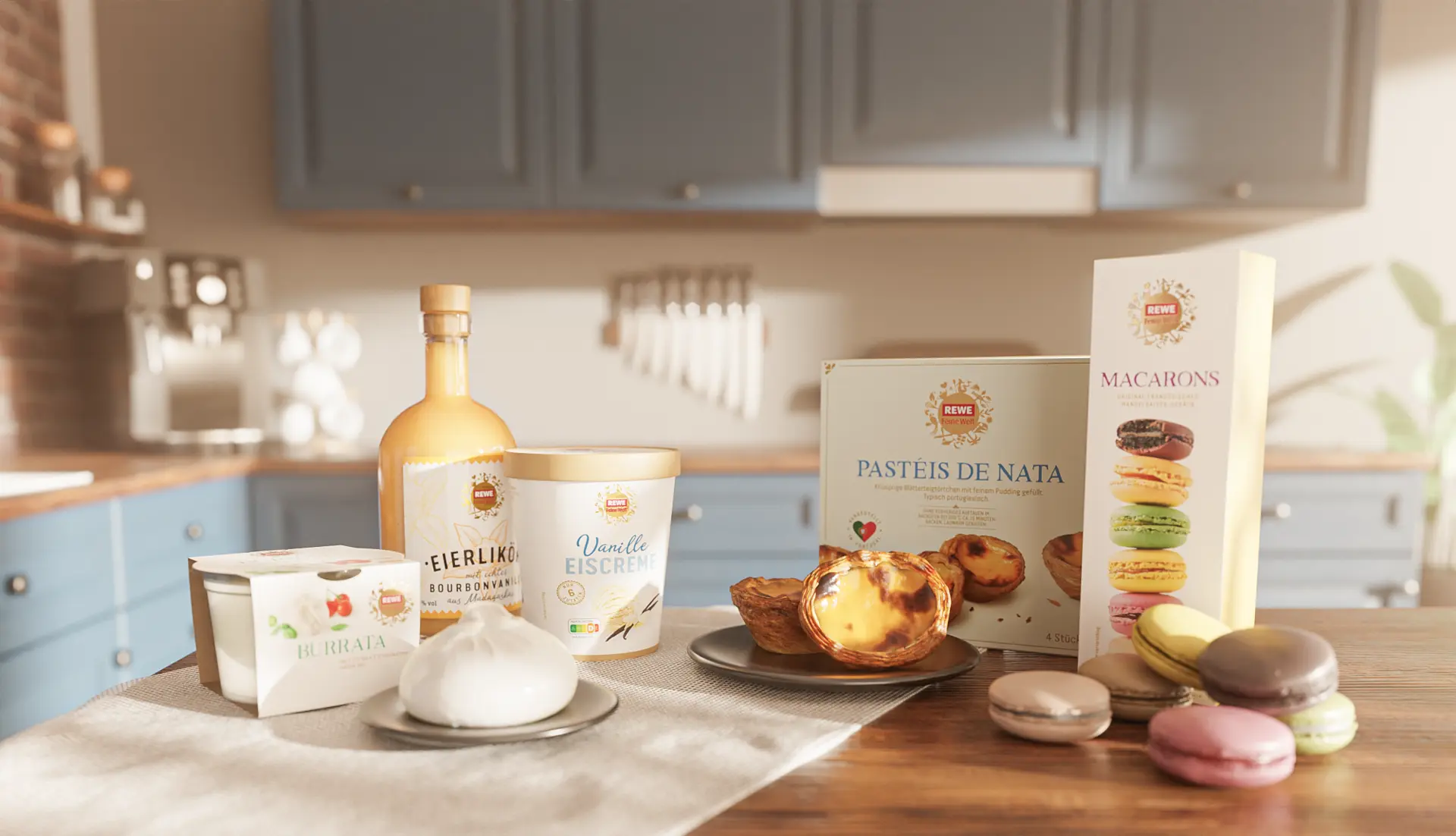
Since 3D was now an established skill in our department, the next campaign was created with 3D in mind.
New interfaces to agencies and individuals with 3D skills were created, to be able to handle the mass amount of work that needed to be achieved.
New structures and workflows needed to be established to fullfill demands and to create a low friction "concept to final product" process.